



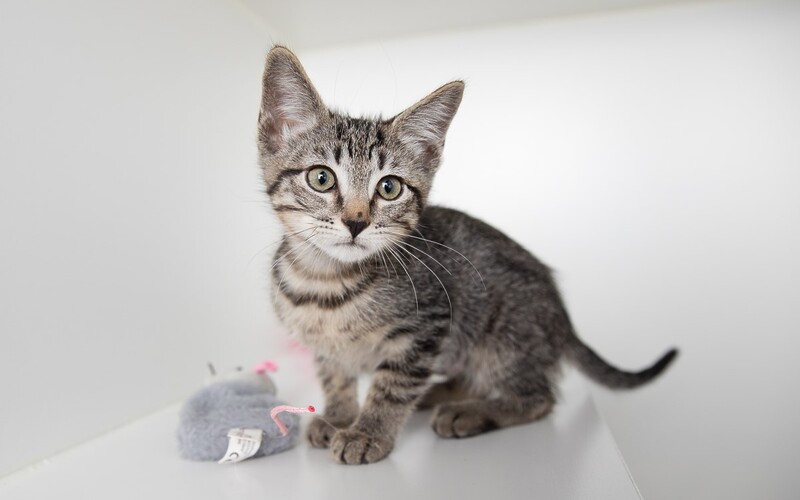
Each year from May through August, Arizona shelters enter “kitten season,” a dramatic surge in newborn litters that can overwhelm even the most prepared rescue organizations. In Maricopa County, thousands of kittens arrive at shelters, creating an ongoing need for foster homes, medical care, and community involvement.
The cycle escalates rapidly, with cats capable of becoming pregnant every six weeks, often resulting in multiple litters within a single season. As intake numbers climb, organizations across the Valley are working to keep up with the demand while ensuring each animal receives the care and attention it needs.

Among them is Foothills Animal Rescue, which provides lifesaving medical treatment, adoption services, and educational outreach to reduce overpopulation and help animals find permanent homes. One key area is understanding what kitten season actually is and why shelters see such a dramatic seasonal spike. Warmer weather, increased outdoor activity among unspayed cats, and rapid feline reproductive cycles all contribute to the surge, making spring and summer the busiest months for rescue groups.
Another focus is the critical role that fostering plays in saving lives. Foster families often provide round-the-clock care for neonatal kittens who are too young for adoption, including bottle feeding, socialization, and basic medical monitoring. This temporary support not only improves survival rates but also frees up shelter space for incoming animals in need of immediate care.
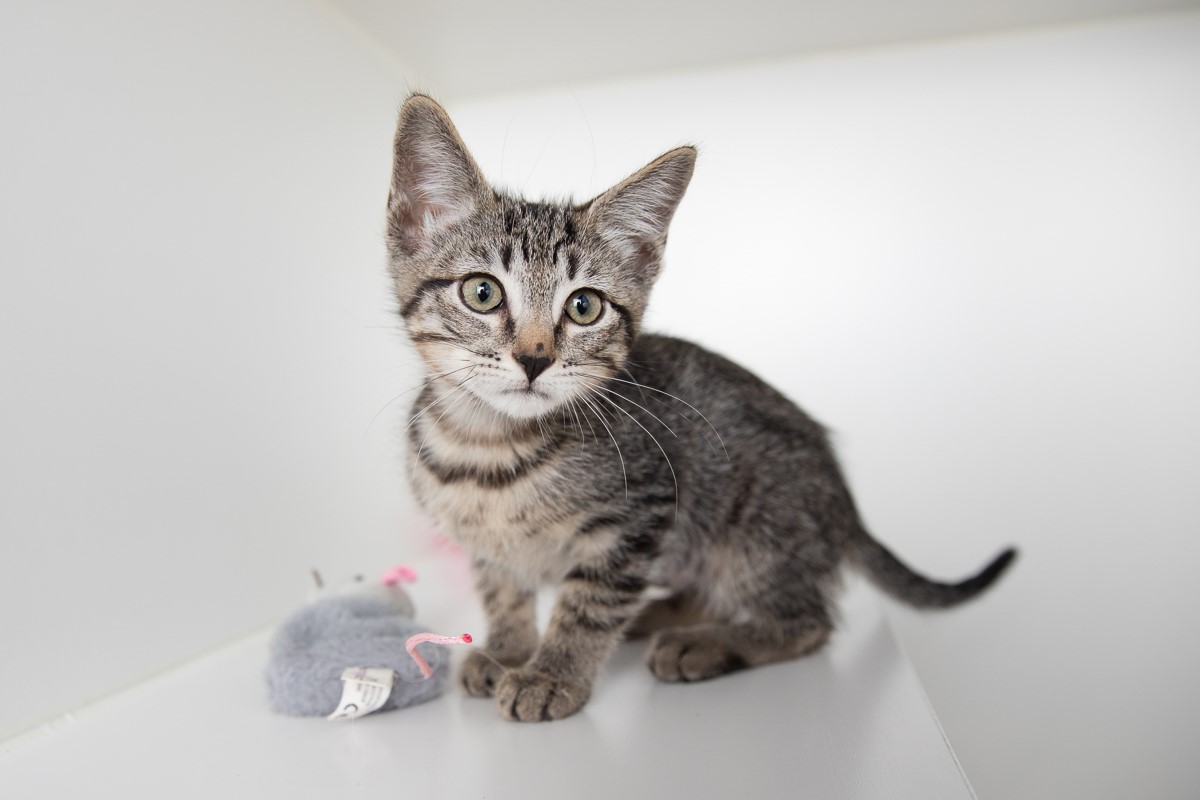
Spay-and-neuter education is also central to the conversation. By breaking the reproductive cycle early, communities can reduce the number of unwanted litters entering shelters each year. Many organizations emphasize accessible, low-cost, or subsidized programs as a long-term solution.
Adopters should understand expectations for medical care, adjustment periods for behavioral changes, and the importance of gradual socialization. Proper preparation is key to long-term adoption success and helps reduce the number of animals returned to shelters.
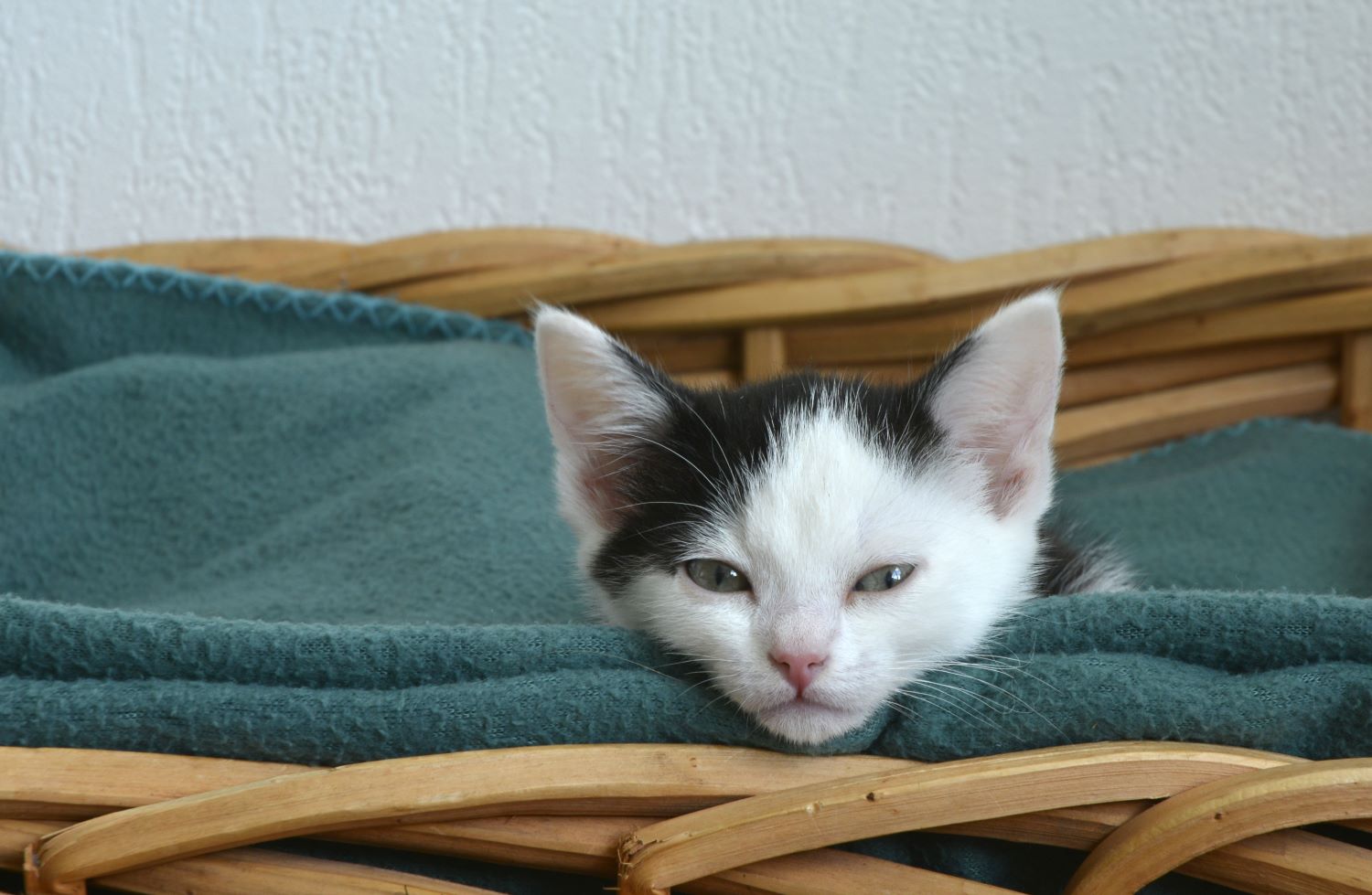
The community can get involved beyond adoption, whether through volunteering at shelters, donating supplies, or becoming short-term foster caregivers during peak intake months. Each role, they emphasize, directly impacts an animal’s chance at survival and placement.
As kitten season ramps up, rescue groups continue to emphasize that community involvement remains one of the most powerful tools in giving animals a second chance. Learn more at foothillsanimal.org.