

Storage is where a beautiful house proves whether it can handle real life. Countertops, islands and cabinet finishes tend to lead because they are easy to picture and photograph. Storage is quieter. It reveals itself later, when groceries come in, mail lands somewhere, appliances need a home and life starts moving.
“Storage isn’t glamorous on a moodboard,” says Bogdan “Bobby” Banica, owner of Febal Casa Scottsdale. “Storage is the thing you only think about once you’re living with the consequences of not thinking about it.”
For Banica, luxury is not only dramatic finishes. It is whether the everyday has been accounted for. “It’s about whether everything already has a home,” he says.
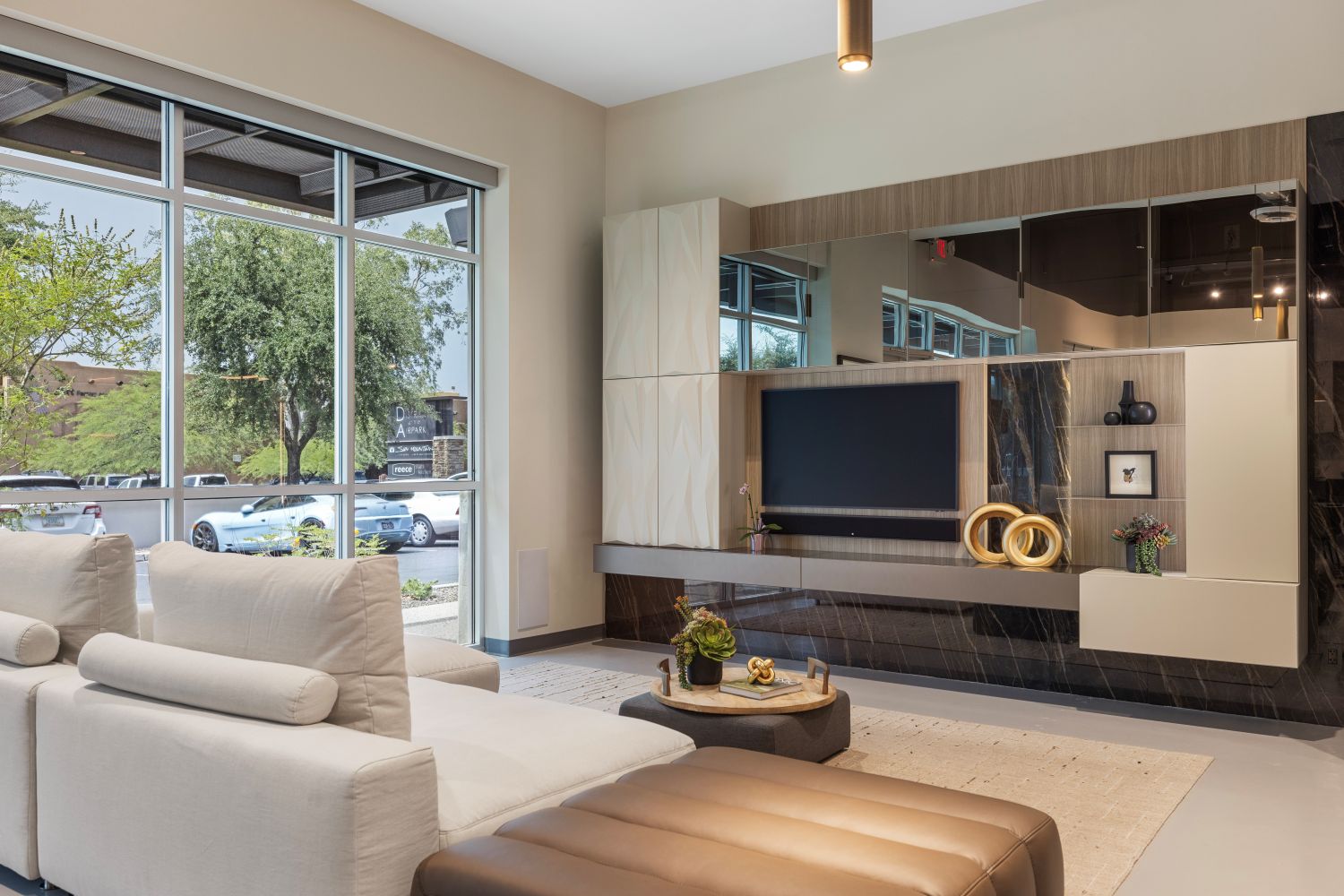
Start With the Routine
The first home storage question is not how many cabinets can fit. It is how people move through the house. A pantry with deep shelves can look generous but function badly if everything disappears into the back. A primary closet can be beautifully finished and still fall apart without a clear system. The better test is practical: Where do keys land? Where do backpacks go? Where should the blender live so it is easy to put away?
“Homeowners don’t realize until they move in that storage is a workflow problem, not a square-footage problem,” Banica says.
Storage should plan for what comes next. A family may not need space for sports gear today, but cleats, backpacks and lunchboxes arrive quickly. Storage should anticipate the next season of life, not simply solve for the current one.
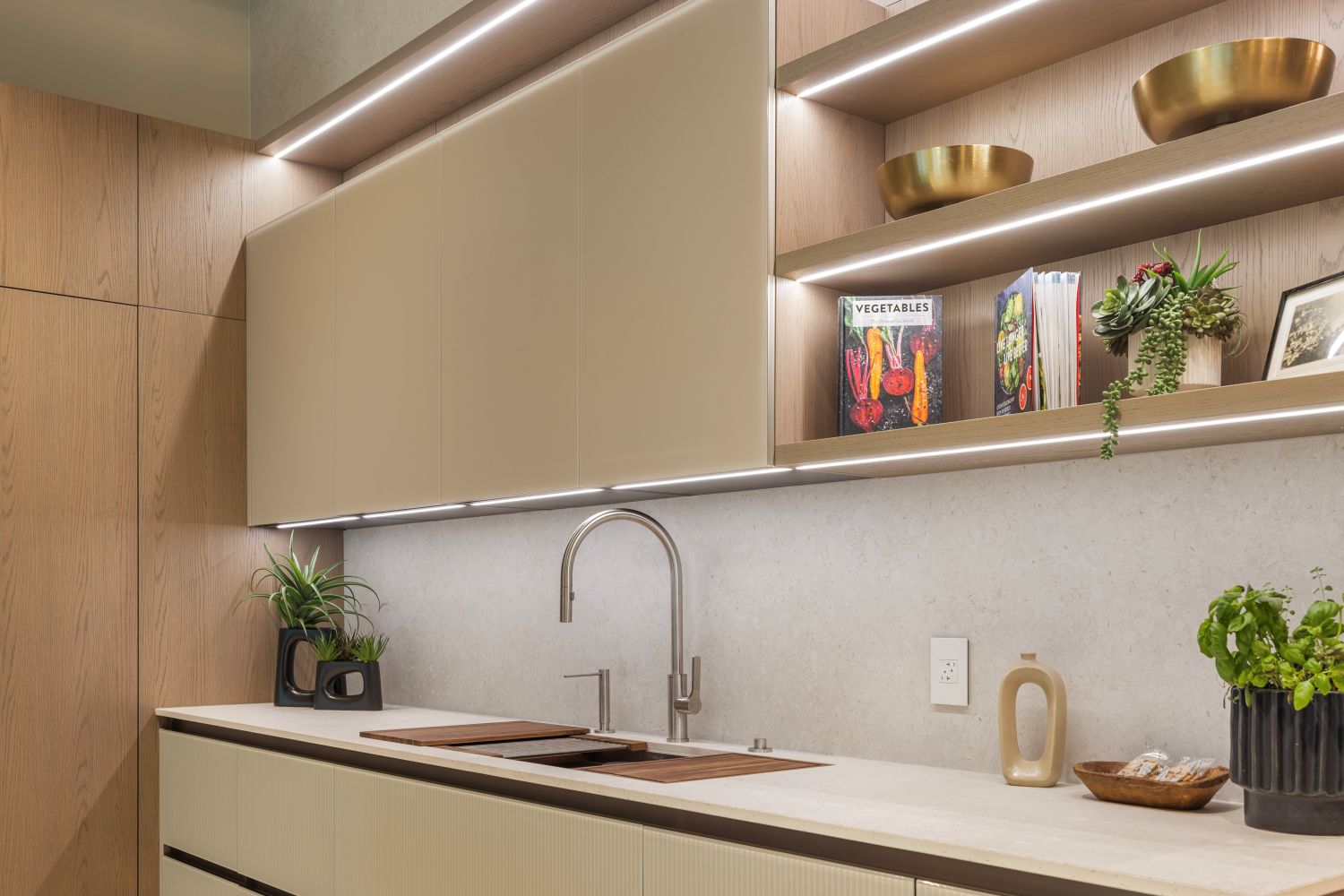
Make the Kitchen Work Harder
Open-concept living has made storage more visible, especially in kitchens that now function as a cooking space, gathering place, homework zone and entertaining hub.
“Open-concept living changed everything for us,” Banica says. “When the kitchen was a closed room, you could hide the everyday mess behind a door. Now the kitchen is the living room.”
The solution is not to strip the room of personality. It is to make the practical pieces feel intentional. Pocket doors can conceal prep zones. Pull-down panels can cover small appliances. Built-in pantry cabinets can blend into the wall. Islands can hold charging drawers, bin pull-outs and organizers that keep the room calm.
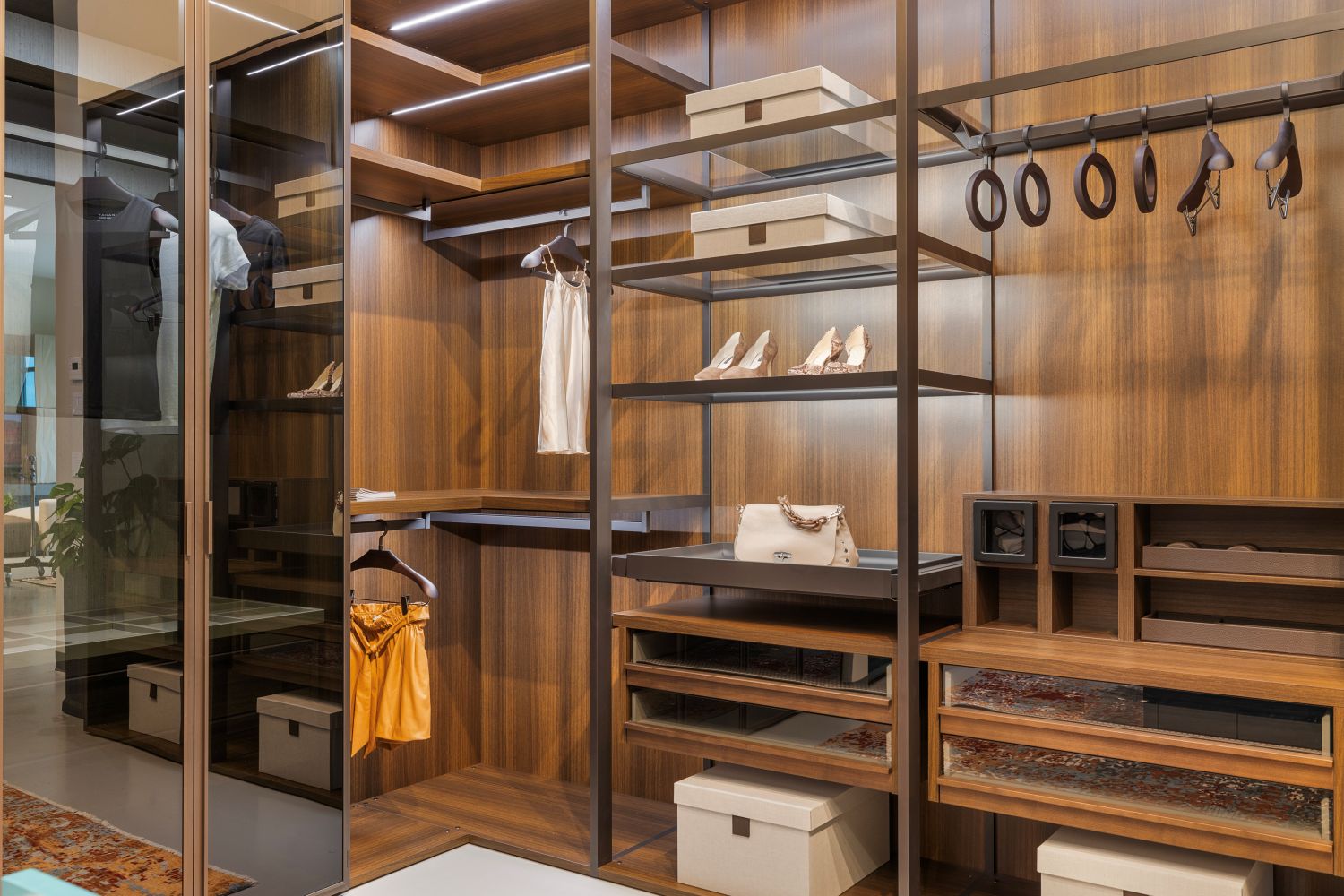
Build Storage into the Architecture
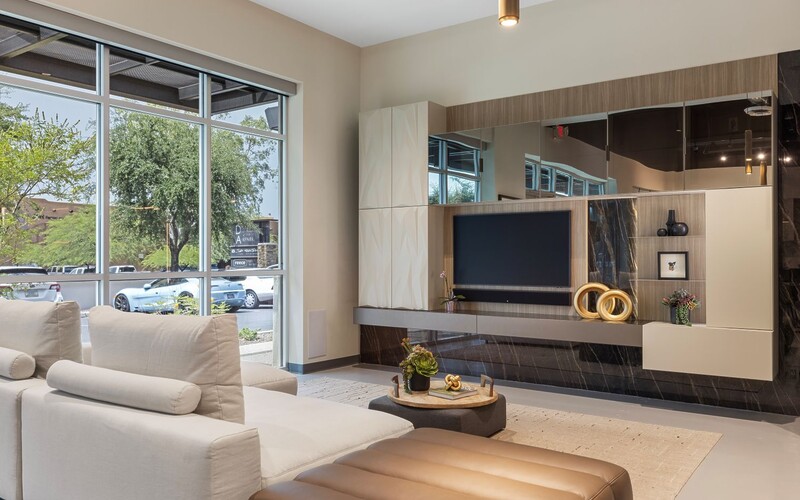
Good storage should feel like part of the home, not something added after the fact. A walk-in pantry can have real lighting, consistent flooring and materials that connect to nearby rooms. Floor-to-ceiling cabinetry can read as wall paneling. Matte lacquer, warm wood, brass or leather details can make functional spaces feel intentional.
“The moment storage looks considered instead of stacked, it stops feeling utilitarian and starts feeling like design,” Banica says.
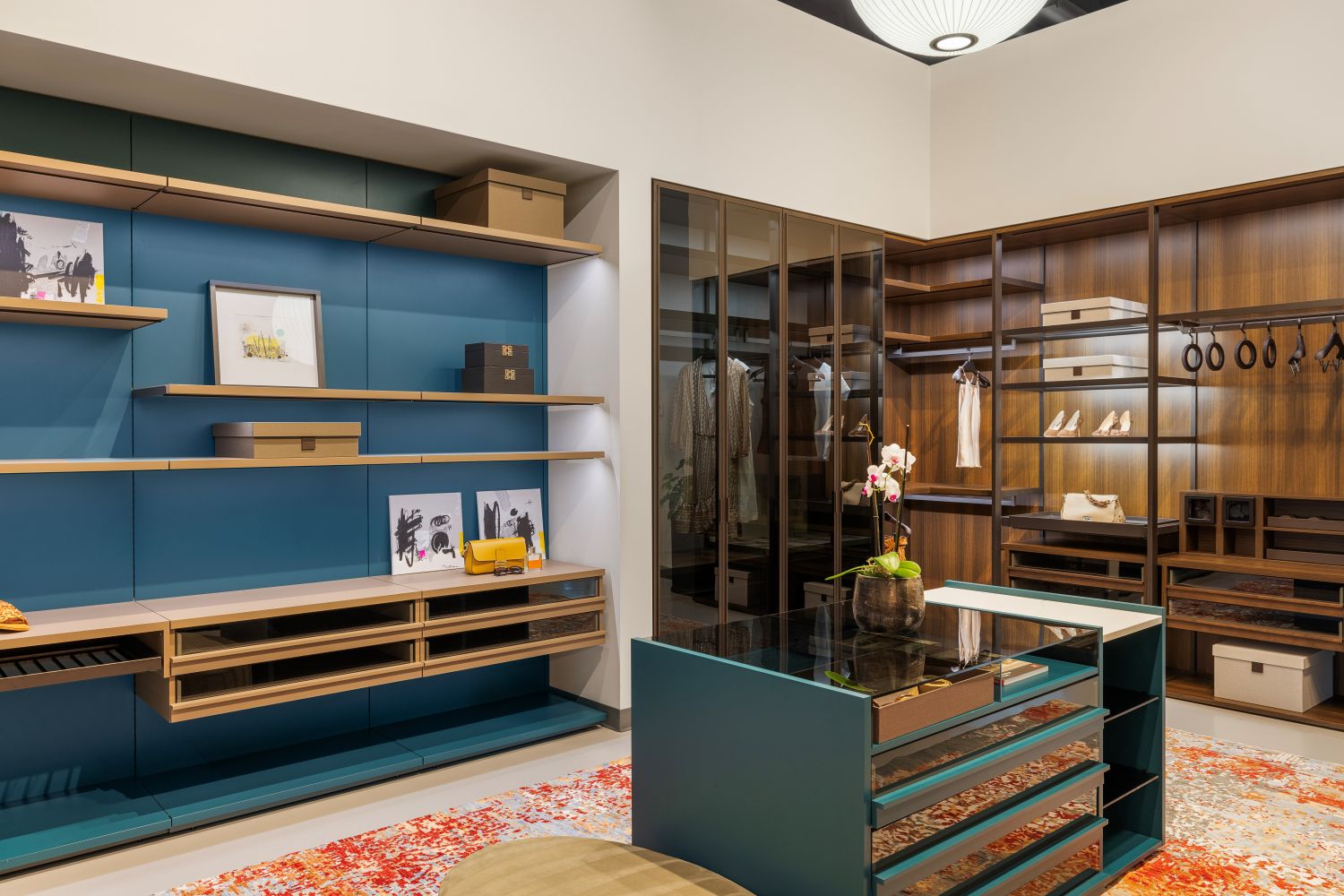
Plan It Before the Budget Is Gone
The biggest mistake is waiting too long. “Storage has to be planned alongside the layout from day one,” Banica says. “Retrofitting it later almost always means losing either capacity or aesthetics, usually both.”
A well-designed home makes routines easier. A drop zone near the garage entry can catch shoes, bags and mail. A charging drawer can keep cords off the counter. An appliance garage can make coffee feel effortless. That is the real luxury: a house that still looks good after people have lived in it.