


Phoenix summer has a way of humbling everyone, including your cactus. It starts quietly enough. The afternoon light gets sharper. Patio pots seem to dry out the second you turn your back. Gravel holds onto the day’s heat like it has a personal grudge. By July, the whole yard can feel less like a landscape and more like a convection oven with succulents.
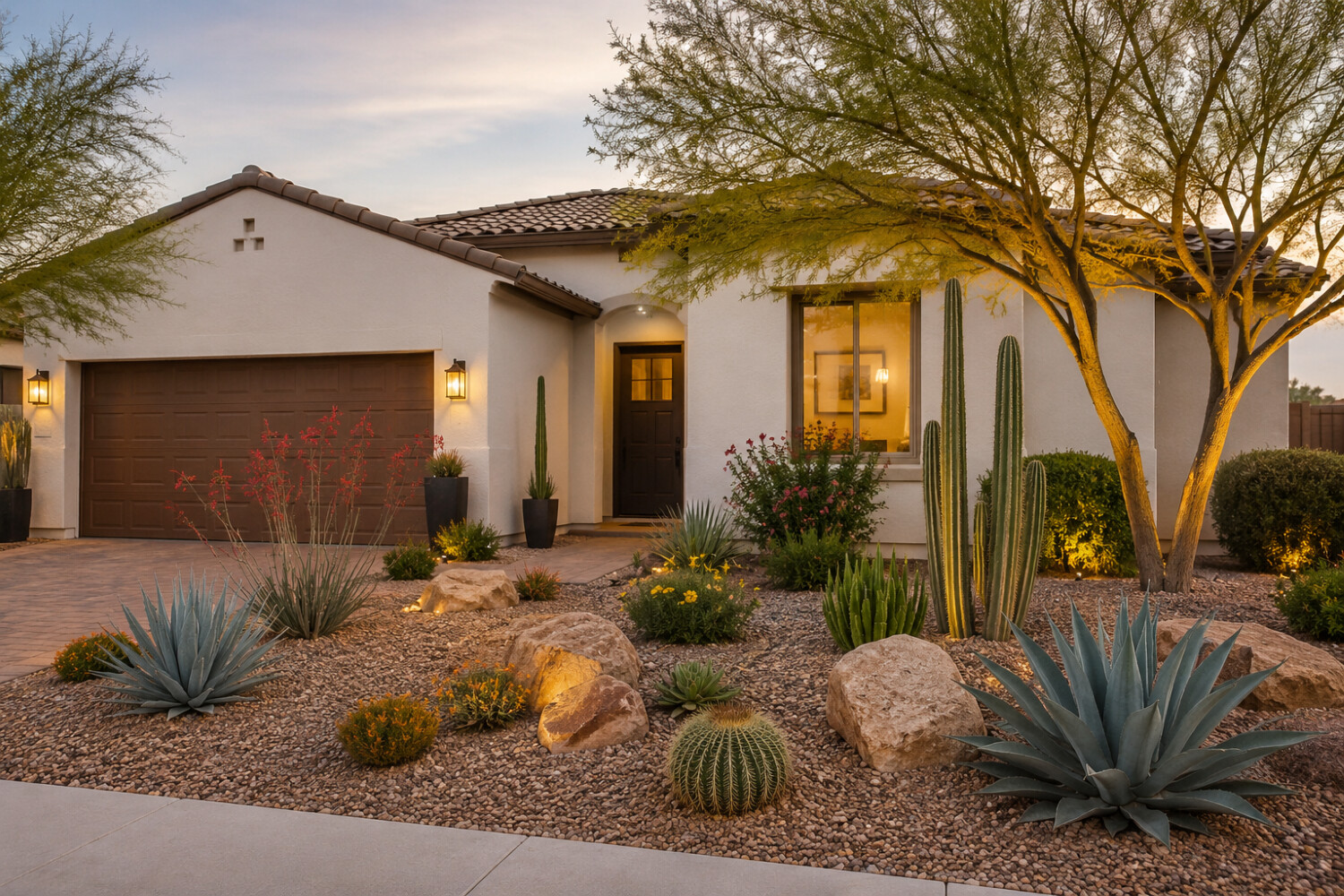
For homeowners who tried to do the right thing, that can feel especially unfair. You removed the grass. You chose desert-adapted plants. You skipped the thirsty ornamentals and embraced cactus, agave, palo verde, mesquite and all the sculptural, sun-loving beauties that make Arizona landscaping so special.
Then the temperature climbs past 110 degrees, the nights stop cooling down and suddenly your “low maintenance” desert yard looks like it needs a motivational speech and a cold towel. According to Ryan Jerrell, co-owner of Dig It Gardens, native does not mean invincible.
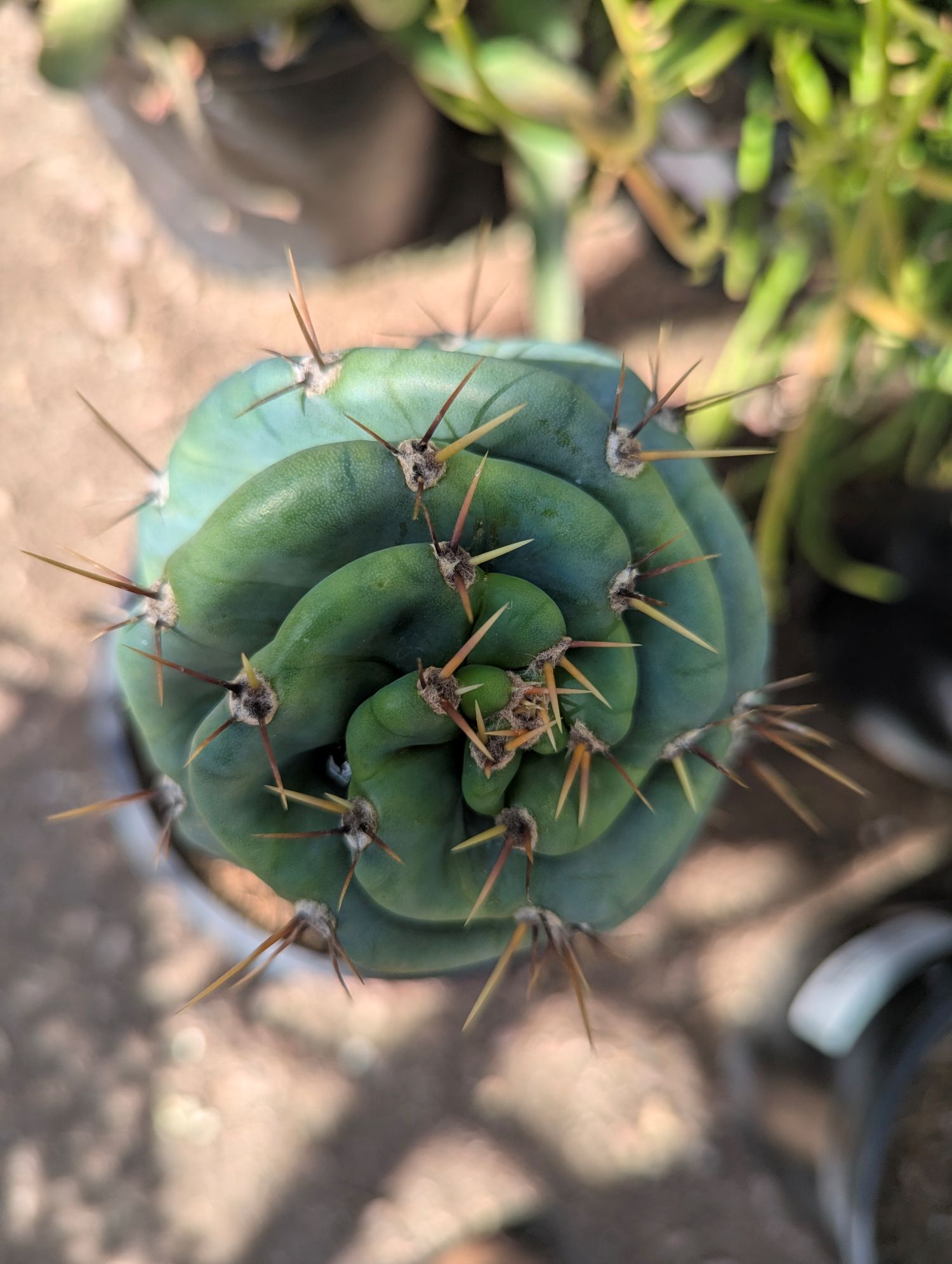
Your Cactus Is Not Being Dramatic
Phoenix is not just hot. It is testing the limits of what residential landscapes can handle. In 2024, the city recorded its warmest year on record, including 70 days at or above 110 degrees, according to the National Weather Service. That matters because plants, like people, need recovery time. When the days are brutal and the nights stay warm, stress builds.
A cactus on a hiking trail and a cactus in your front yard are technically the same kind of plant, but they are living very different lives. In the open desert, plants often have natural spacing, native soils, mature root systems and room to breathe.
In a neighborhood yard, that same plant may be wedged between rock mulch, block walls, sidewalks, driveways and windows that bounce heat back at it all day and radiate warmth well after sunset. That is when even tough plants start waving the tiny white flag.
Cacti and succulents may bleach, yellow, brown or develop sunburn, especially on the side facing afternoon sun. Trees and shrubs may curl, wilt, drop leaves or stop putting out new growth. Wrinkling can mean a plant is dehydrated, but it can also mean the roots are damaged and no longer taking up water properly.
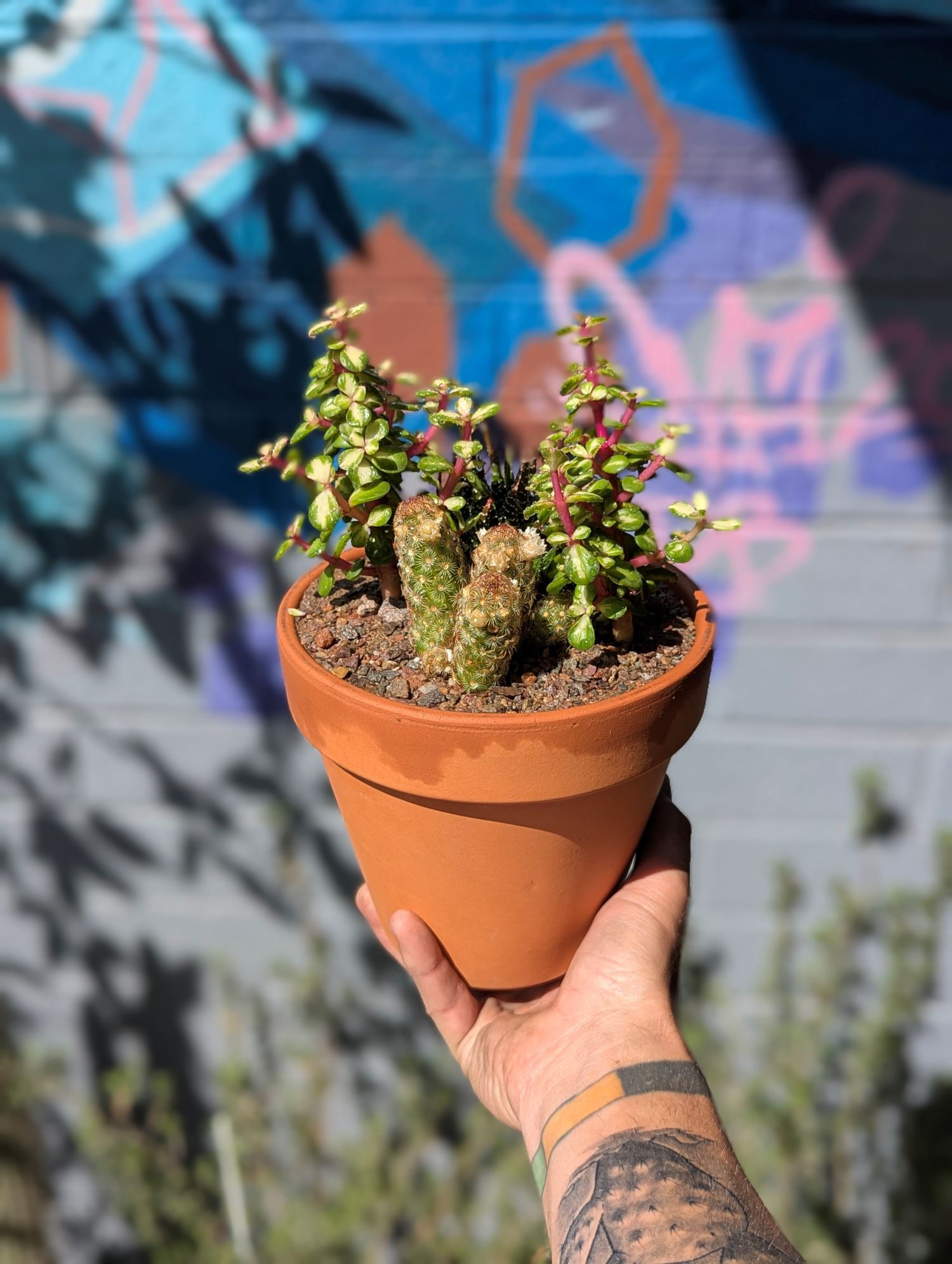
Step Away From the Hose
The biggest mistake? Panic-watering. It is understandable. You see a stressed plant, grab the hose and hope for the best. But more water is not always the rescue mission you think it is. During extreme heat, a plant can look thirsty even when the soil below the surface is still damp. Repeated shallow watering can suffocate roots, encourage rot and keep plants from developing the deep, strong root systems they need to survive here.
Before watering, check the soil a few inches down near the roots. If it is still damp, wait. If it is dry, water slowly and deeply. Early morning is best, before the yard turns into a toaster oven. Don’t put every plant on the same schedule. A newly planted desert willow, a mature mesquite, a potted cactus and agaves baking against a west-facing wall are living in different microclimates, and they need to be treated that way.
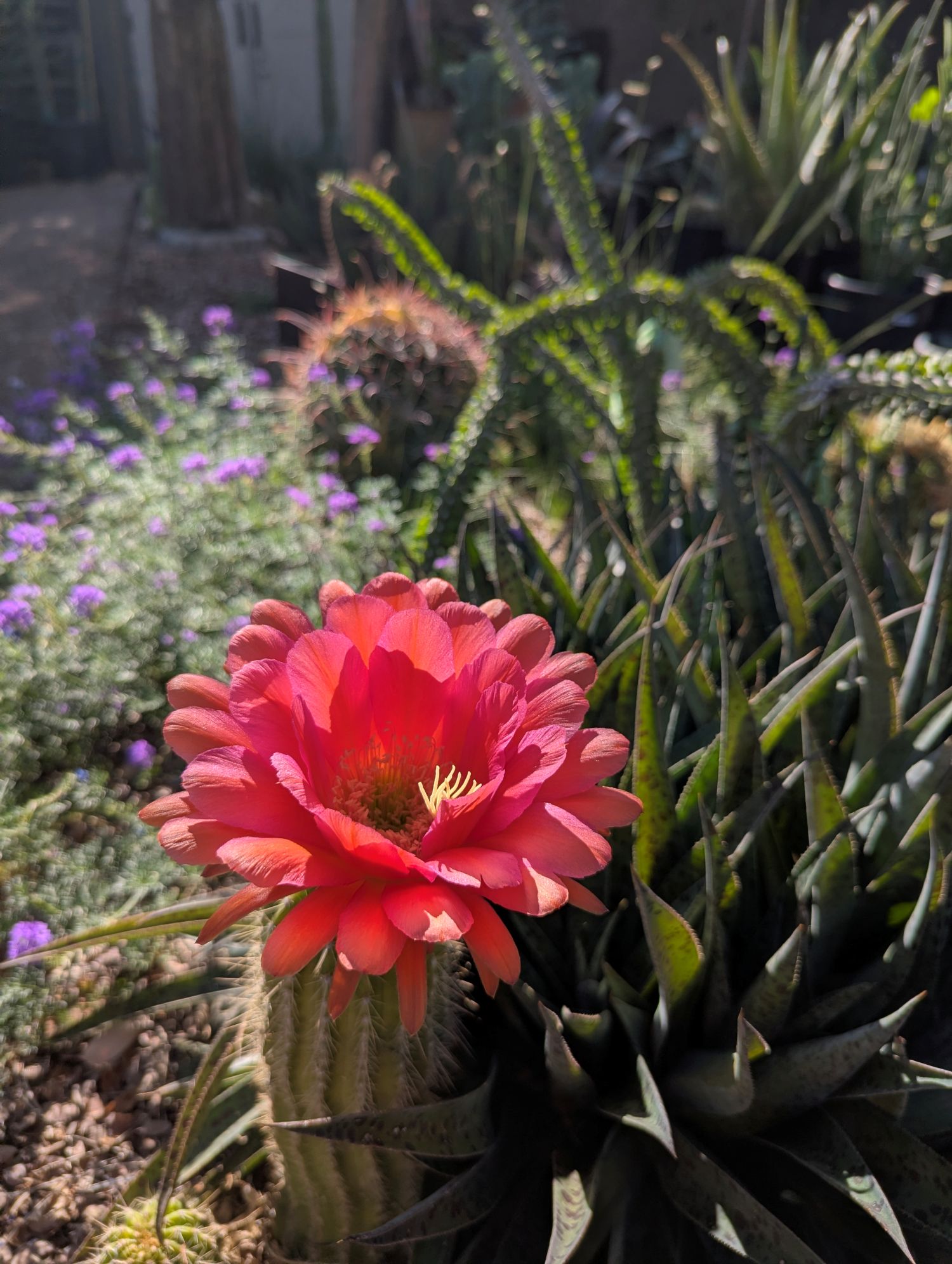
Shade Is a Summer Survival Tool
In Phoenix, plant care is not only about water. It is about exposure. Temporary shade can make a big difference during the most punishing stretch of summer. Shade cloth, patio umbrellas or a strategically placed screen can help protect young cactus, agaves, aloes, newly planted shrubs and anything sitting near masonry walls or reflective hardscape.
Move potted plants out of reflected heat zones. Pull rock away from tender stems and trunks to create a small breathing space. Hold off on heavy pruning, fertilizing or transplanting until temperatures ease. A stressed plant does not need a makeover. It needs stability.
A desert yard can thrive in Phoenix. It can be water-wise, sculptural, colorful, resilient and full of life. But desert-adapted does not mean maintenance-free, and “tough” does not mean untouched by a record-breaking summer. The best thing you can do is pay attention. Notice what is struggling. Adjust before the damage gets worse. Give even the hardiest plants a little help when the desert turns the dial all the way up.
Ryan Jerrell is the co-owner of Dig It Gardens, a family-owned Phoenix garden center and landscape design studio specializing in desert-adapted plants, pottery, plant care, workshops and outdoor spaces designed for Arizona living.