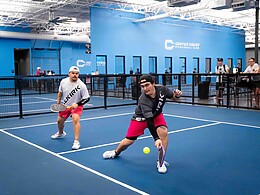



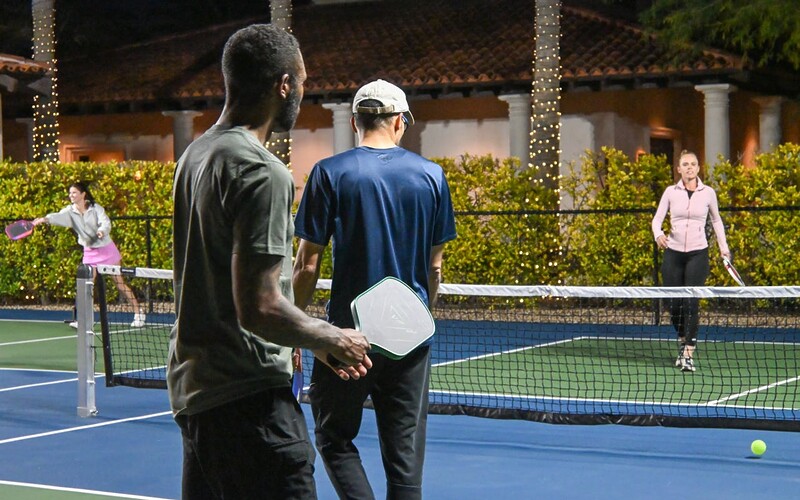
Drive past any park in Scottsdale on a Saturday morning and you’ll hear it before you see it. That distinct, hollow thwock of a wiffle ball hitting a composite paddle. A decade ago, that sound was foreign to most Arizonans. Today it’s the soundtrack of the Valley’s most active neighborhoods.
Pickleball has become America’s fastest-growing sport for five consecutive years, with participation more than tripling since 2020. But nowhere has the boom felt more total, or more permanent, than in Scottsdale and the surrounding Valley. What started as a quiet retirement-community pastime has metastasized into a full-blown cultural movement that cuts across age, income, and athletic background. And Scottsdale, perhaps more than any other American city, was built for it.
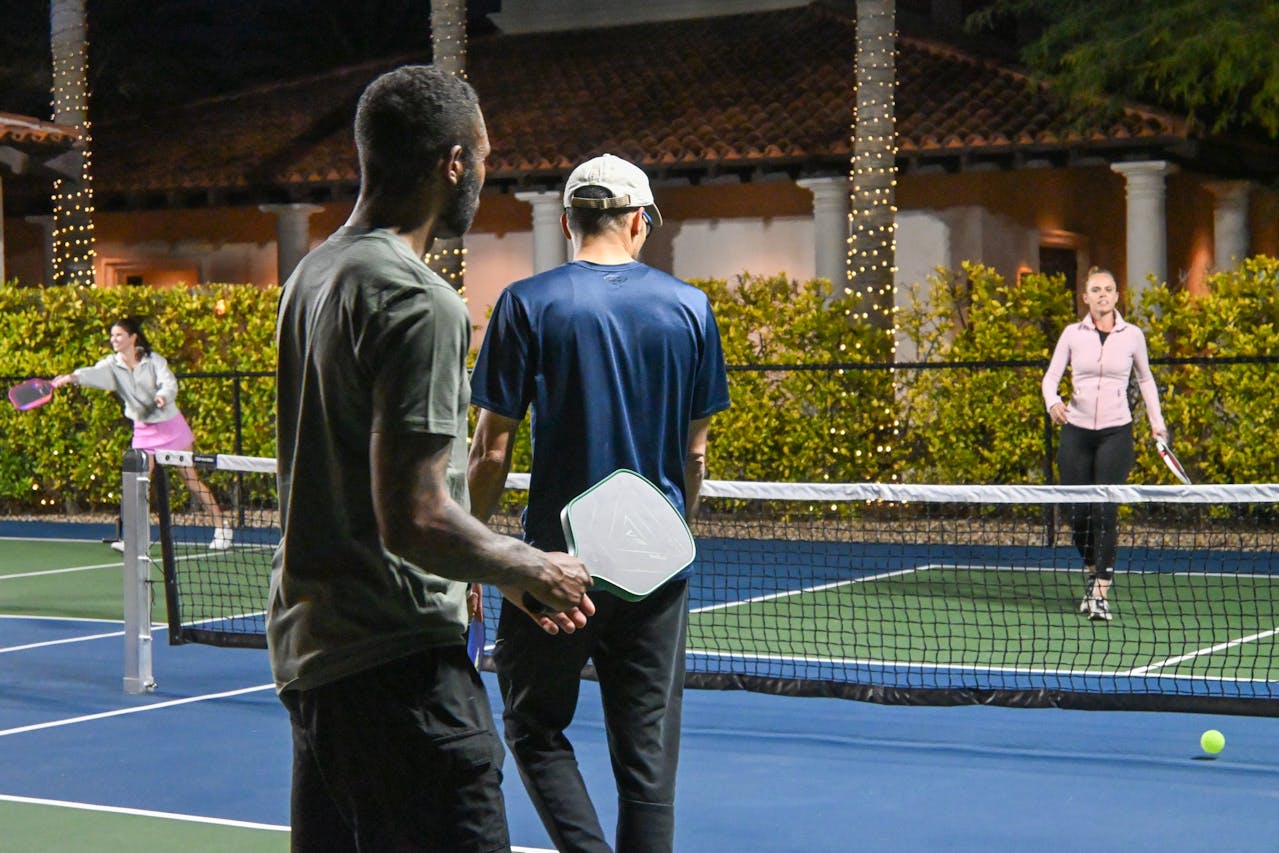
A Perfect Confluence of Climate, Demographics, and Infrastructure
The Valley enjoys roughly 300 days of sunshine a year, ideal for outdoor play across most of the calendar. The active adult population, well-resourced, time-rich, and health-conscious, has long made Scottsdale a national leader in fitness trends, from spinning to barre to functional training. Pickleball arrived at exactly the right moment, offering a low-impact, socially driven alternative to running or tennis that appealed equally to retirees and millennials looking for something less brutal on the joints.
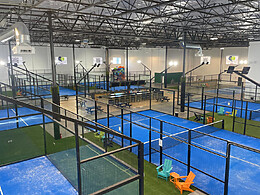
The infrastructure was already there, too. Scottsdale’s network of public parks, HOA-managed amenity centers, and master-planned communities made converting underused tennis courts to pickleball logistically straightforward. By 2022, the city had begun a coordinated expansion of dedicated pickleball facilities at Pecos Park, Eldorado Park, and the Indian School Park complex. Today, locating a court within a fifteen-minute drive of almost any Scottsdale address is trivial, which was very much not the case three years ago.
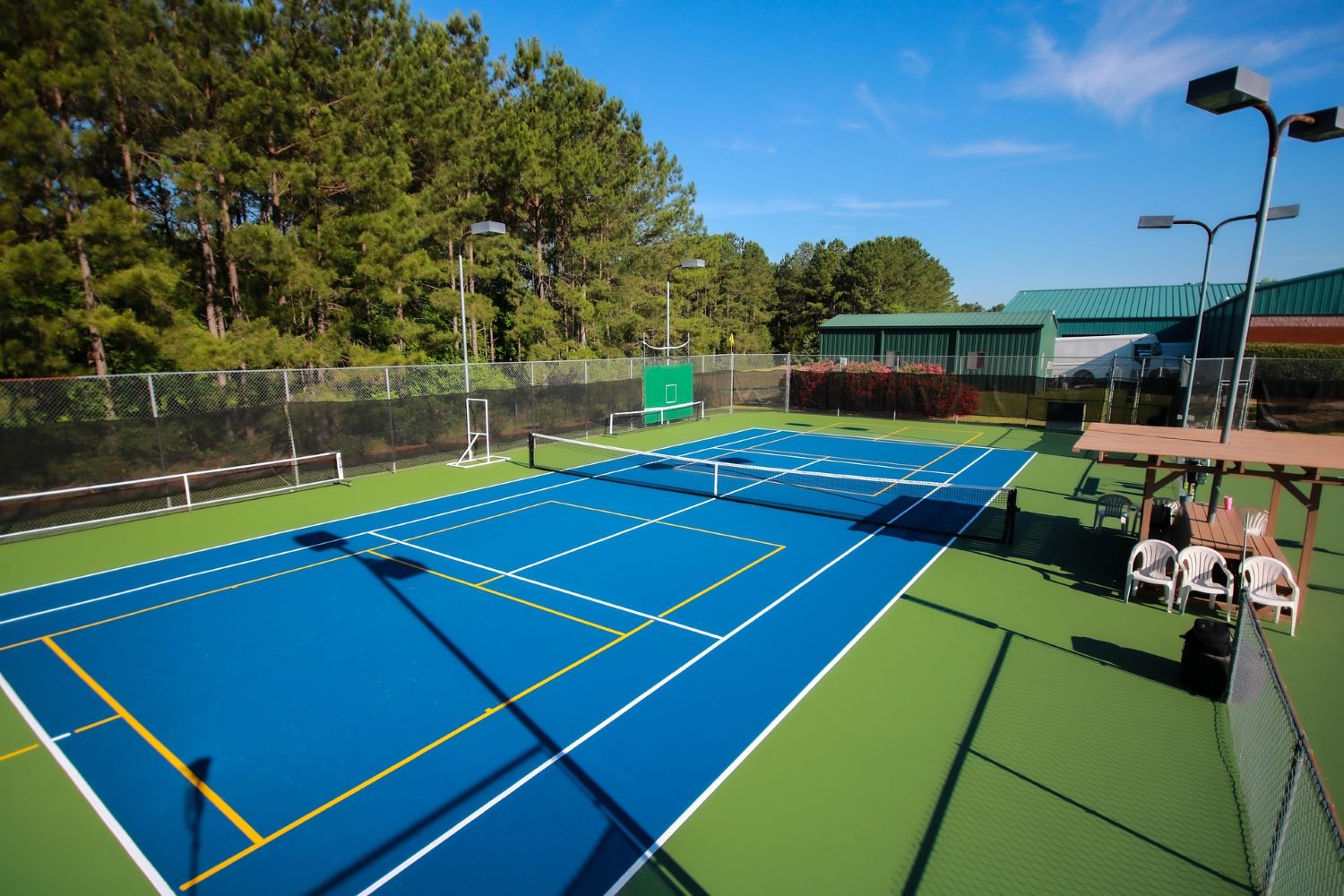
The Numbers Tell One Story. The Culture Tells Another.
The Sports and Fitness Industry Association estimates that more than 13 million Americans play pickleball at least once a year. The Valley alone accounts for a disproportionate share of that growth, with USA Pickleball headquartered just up the road in Surprise and Bell Bank Park in Mesa hosting some of the largest tournaments in the country. Pickleball is no longer something people apologize for playing.
Country clubs that once dismissed it as a fad have spent the past two years quietly retrofitting tennis courts, often at the explicit request of younger members. Real estate listings in North Scottsdale and DC Ranch now feature private pickleball courts as a selling point. Restaurants have built their happy-hour business around the post-game crowd. Even the dating apps have caught on: “looking for a pickleball partner” has become its own genre of bio. This is what a sport looks like when it stops being a trend and starts being infrastructure.
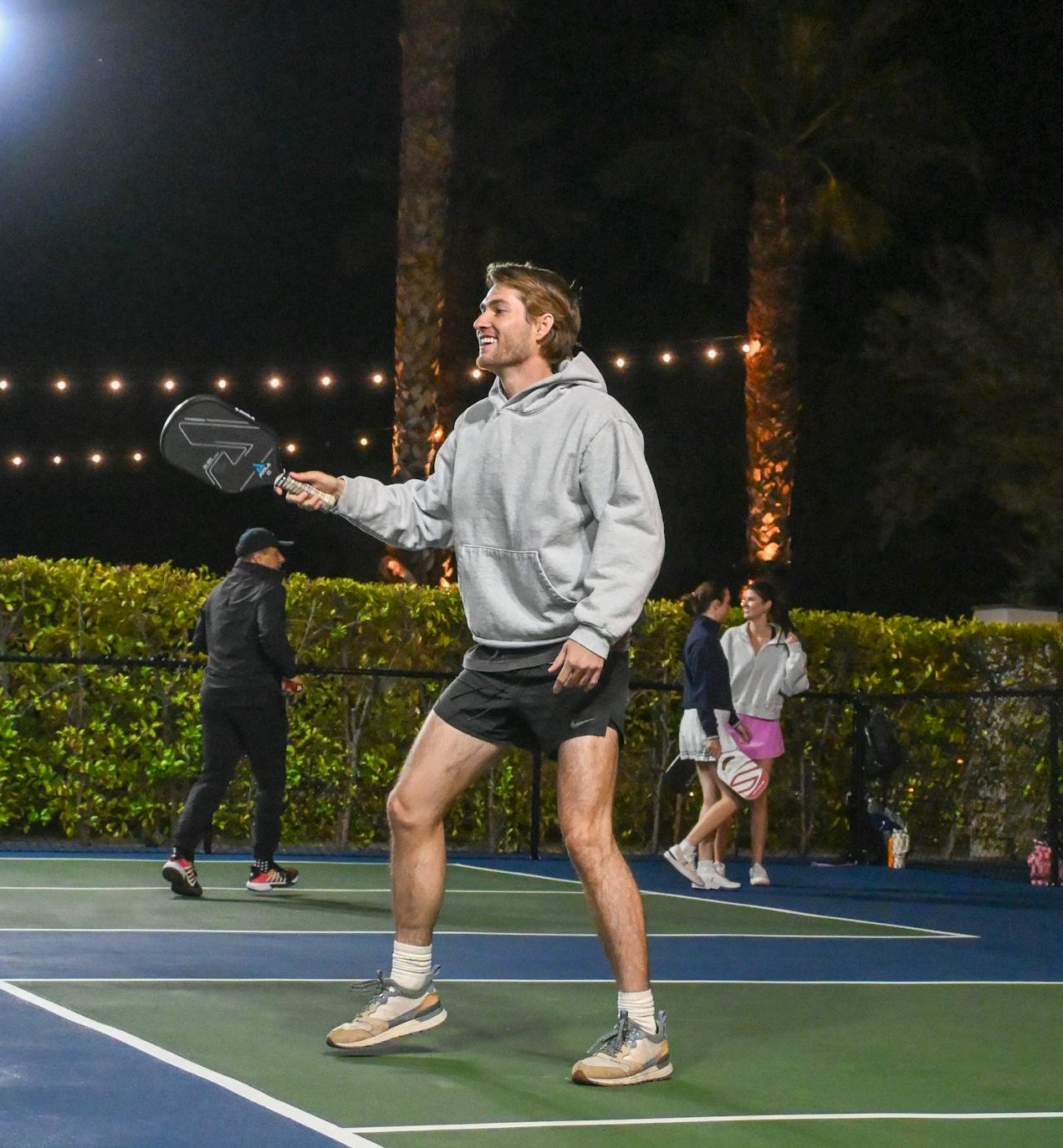
The Demand No One Saw Coming
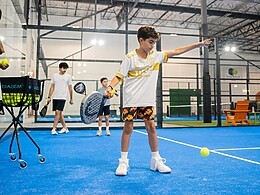
If there’s one challenge the boom has surfaced, it’s coaching. The supply of qualified instructors has not kept pace with the demand for serious instruction, particularly among adult beginners who don’t want to spend a year picking up bad habits at open play.
This is where the sport’s growth gets interesting. Unlike tennis, which carries decades of established coaching infrastructure built around country clubs and academies, pickleball’s instructional ecosystem is being built in real time. The traditional model, where players drove to a facility, paid club dues, and booked a court, has been steadily replaced by a far more flexible one. Mobile coaching services, where vetted instructors come directly to local courts, have emerged as the dominant model in markets like Scottsdale, where players have access to community courts but no easy way to find qualified one-on-one instruction.
Companies like Golden Racket Academy, which offers private pickleball coaching in Scottsdale and across the broader Phoenix metro, have helped close the gap. The model removes the friction that historically kept casual players from formal instruction: no club membership, no fixed schedule, no facility commute. Coaches travel to whatever court works for the player and structure lessons around the player’s specific goals. For a sport whose appeal has always been its accessibility, this accessibility-first instruction is a natural fit.
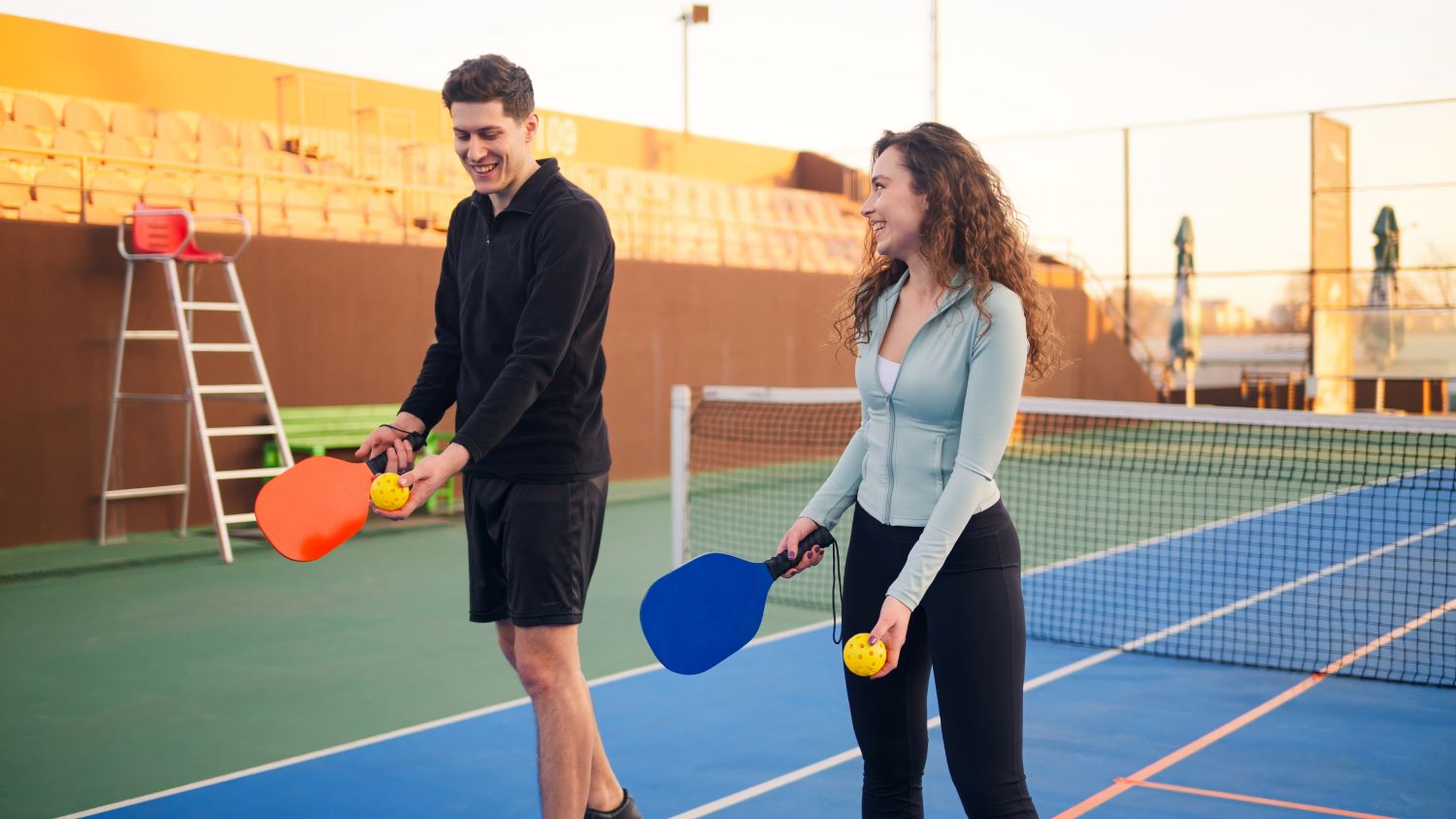
Why the Boom Won’t Bust
Pickleball skeptics, and there are still a few left, keep waiting for the sport to plateau. They’ve been waiting for several years. The reality is that the structural advantages driving Scottsdale’s adoption aren’t going anywhere. The climate is permanent. The demographics are stable. The infrastructure is built. And the sport itself remains, by almost any reasonable measure, easier to learn, less expensive to play, and more socially rewarding than most of the alternatives.
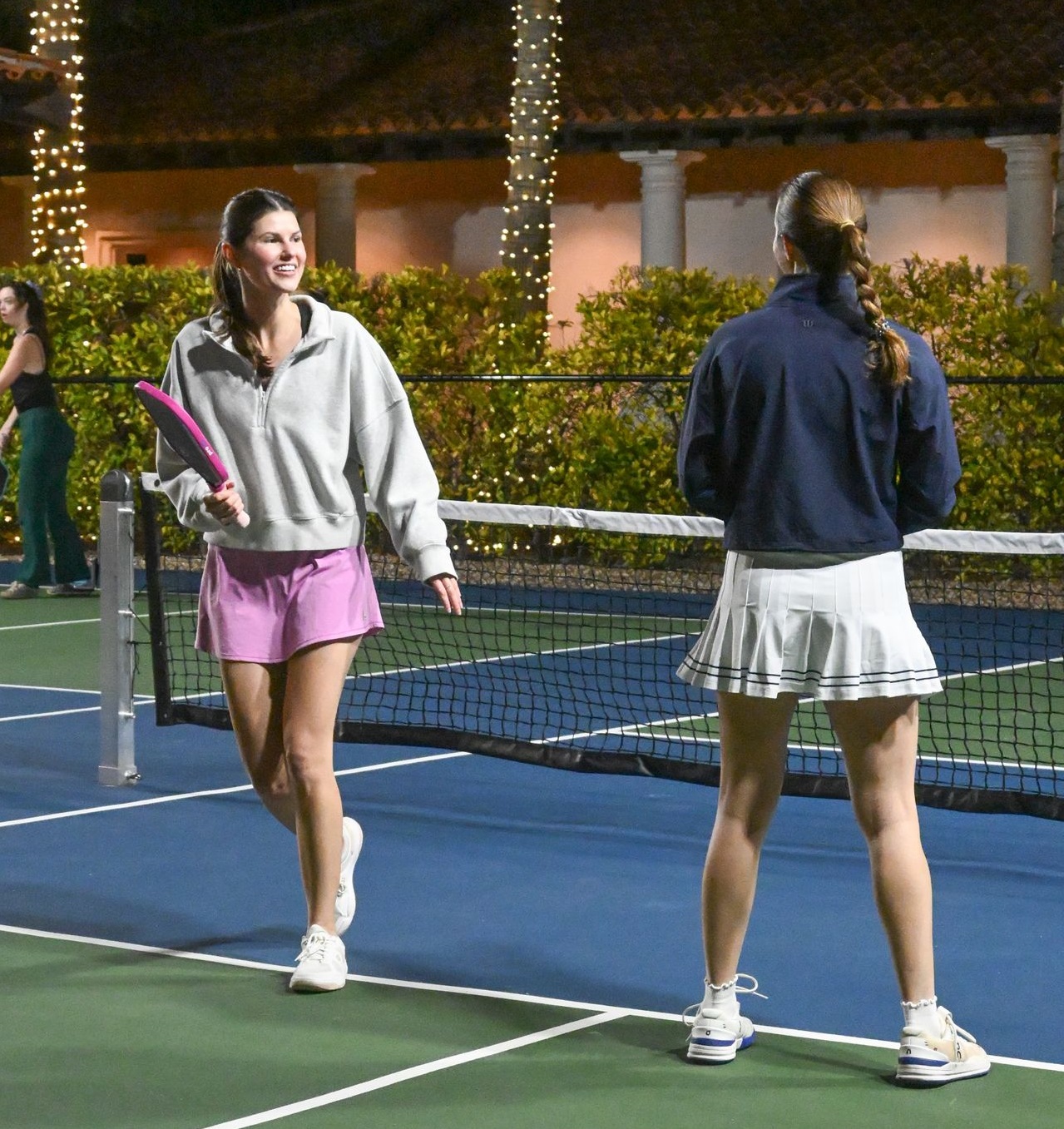
Walk past Eldorado Park on a Tuesday night and you’ll see the same intensity you’d expect at a tennis tournament: players analyzing each other’s third-shot drops, dialing in their dinking, running structured drills with private coaches. The recreational character of the sport hasn’t disappeared, but it now sits alongside a layer of genuine competitive infrastructure that didn’t exist three years ago. Junior pickleball is exploding. Adult leagues are oversubscribed. The PPA Tour now treats the Valley as one of its anchor markets.
What Comes Next
Scottsdale’s pickleball moment isn’t a moment anymore. It’s a permanent feature of the city’s active lifestyle landscape, alongside hiking the McDowells, golfing TPC, and brunching in Old Town. The next phase will likely be defined less by growth in participation, which is already astronomical, and more by the maturation of the supporting ecosystem. Better coaching. More dedicated facilities. Tighter integration with the city’s broader wellness culture. Possibly even a dedicated professional team, given how aggressively national pickleball brands have invested in the market.
For residents, the practical implication is simple. If you’ve been on the fence about picking up a paddle, the wait is over. The courts are here. The coaches are here. The community is here. And in a city that has built its identity around active, outdoor living, there may be no sport better suited to where Scottsdale is right now. Learn more at goldenracketacademy.com.