




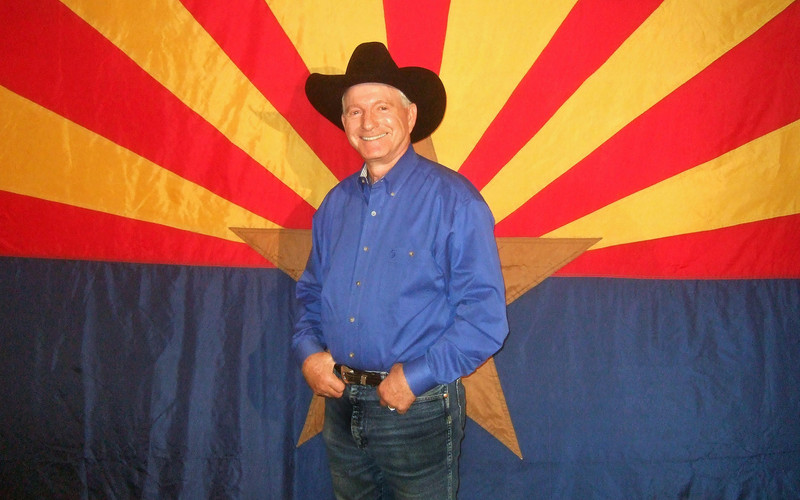
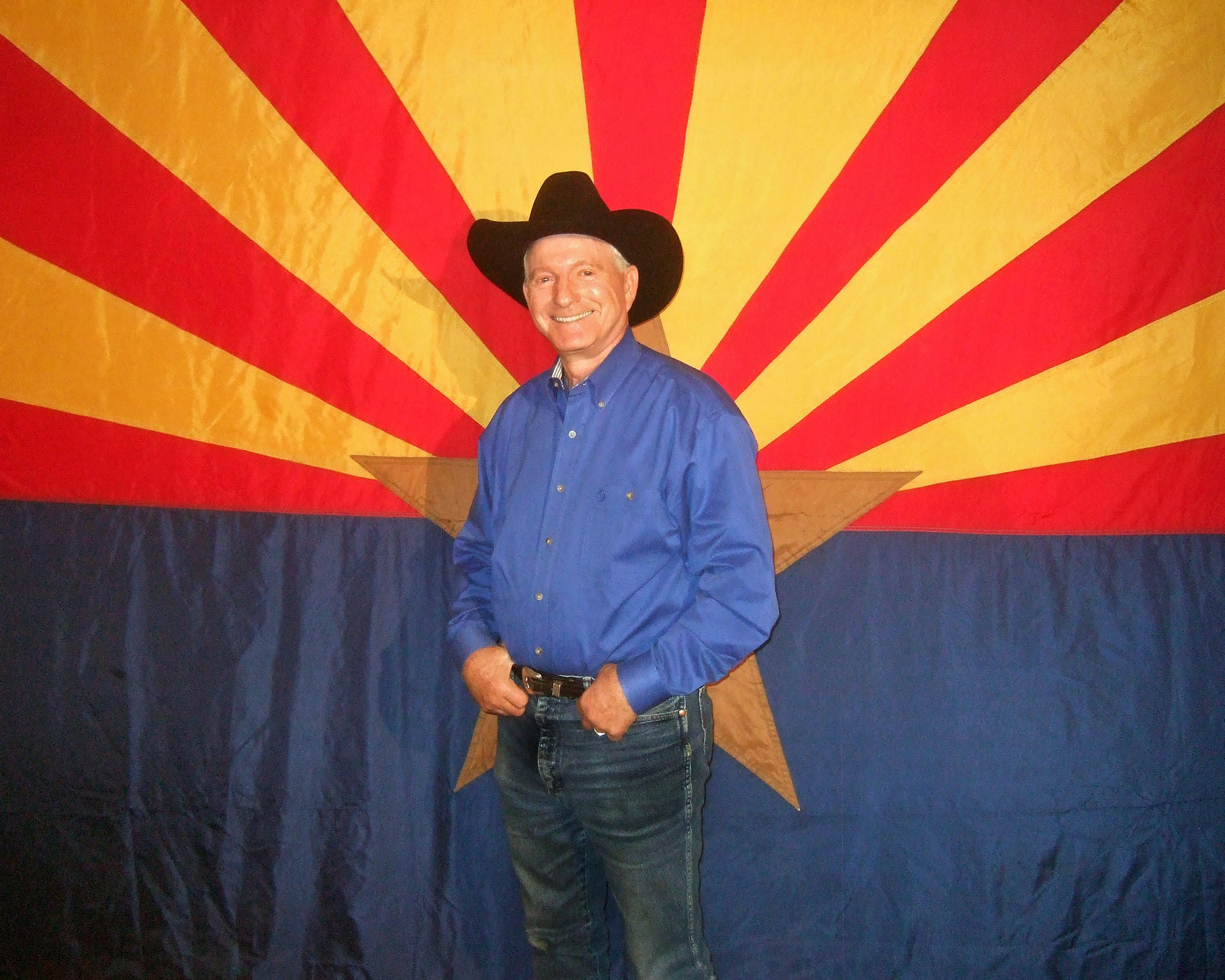
A living embodiment of Arizona’s past and present, Marshall Trimble is widely regarded as the “Dean of Arizona Historians.” Appointed Official State Historian in 1997, Trimble has spent decades preserving and interpreting the stories of the Old West through more than 30 books, countless lectures, radio and television appearances, and even music and stage performances. In the Q&A that follows, Trimble shares personal reflections, historical perspective and hard-earned wisdom drawn from a lifetime devoted to Arizona.
AZF: You grew up in Ash Fork along Route 66. How did that small-town upbringing shape your love for Arizona and influence the way you tell its stories today?
Marshall Trimble (MT): Ash Fork was a great place to grow up. Any young boy who grew up in a small town has special memories. It’s where you got your first pocketknife, your first bicycle, first bloody nose and first girlfriend. The adults always attended your ball games even if they didn’t have kids on the team. If you got into some mischief, the neighbors would be sure to tell your parents, and nobody ever locked their doors when they went shopping in Williams.
AZF: What was the turning point or the moment when you realized you wanted to dedicate your life to Arizona history?
MT: I always loved American history. We lived on a small ranch. World War II was raging, and when we moved into town and received the morning Arizona Republic newspaper, I read the national news every day, especially during the Korean War.
The turning point for Arizona and Western history came in 1969, when I was about 30. I was working on a ranch in Montana and visiting the site of Custer’s Last Stand. History was the only class in college in which I made A’s. The experience touched me, and when I got back to Arizona, I enrolled in the Arizona history class at ASU. I became fascinated with its history. Even though I was a native, I had never traveled or seen any of it. From that time on, my weekends consisted of seeing it all.
Next, I took a job teaching American history at Coronado High School in Scottsdale. I spiced it up with Arizona history. A year later, they asked me to create a Southwest History class. More than 250 students signed up for it, and they made me a full-time Southwest history teacher.
A year later, Scottsdale Community College (SCC) asked me to create an Arizona history class. I did and began teaching a night class to adults. It soon became two night classes. Then Mesa Community College asked me to teach a third one at their campus. One of my SCC students suggested I replace the text with one I’d written that was full of my stories. I had never tried to write anything, not even a good term paper. So, I did, and a couple of years later, it was published by Doubleday in New York City. It turned out to be a big seller.
I started getting requests to speak to groups and events. I’d been in a trio of folk singers during the early 1960s, so I decided to take my guitar along with me and give the audience some entertainment. Soon, I had an agent, and that’s where it all began. Since then, I’ve written more than 30 books, recorded and done television. I owe it all to my Coronado High and SCC students.
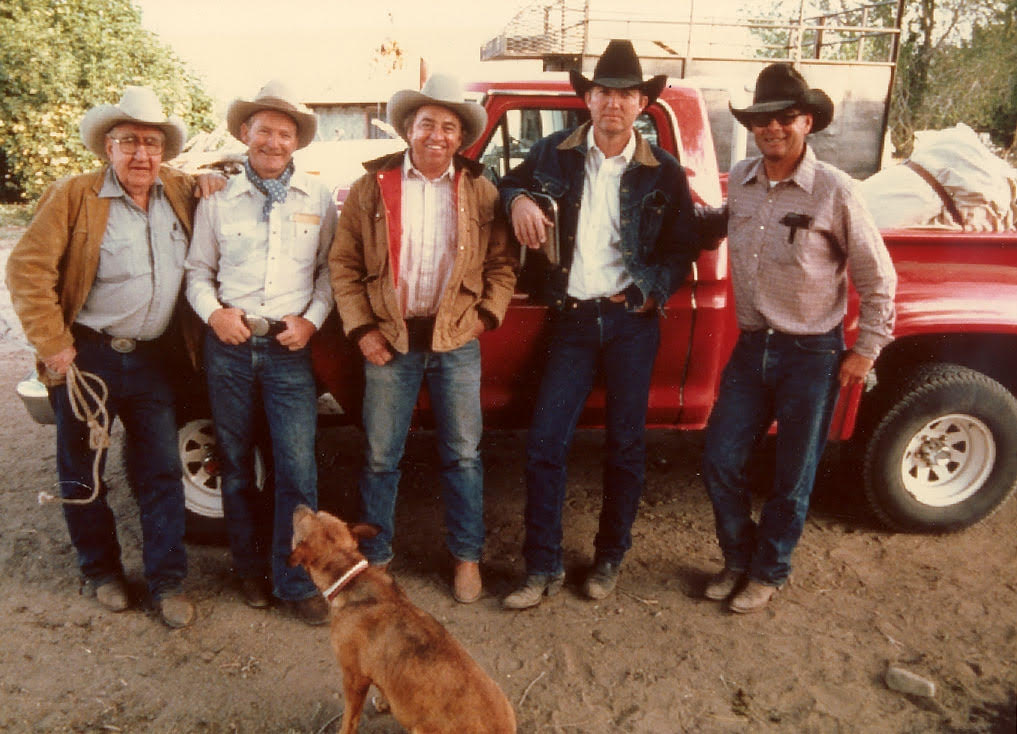
AZF: Arizona is often portrayed in terms of desert landscapes, cowboy lore and the Wild West. What are some of the lesser-known cultural threads, figures or stories in Arizona that you think deserve more attention?
MT: Arizona is a place that lives by its myths and legends. It’s a land of anomalies and tamales. The first white man to arrive here was a Black man; the first cowboy was Indigenous; the first cattleman was a woman; the first famous cowboy was a cowgirl; the Lost Dutchman was a German; the gunfight at the OK Corral didn’t occur at the OK Corral; and the list goes on and on.
There are 90 wilderness areas, and the nation’s two largest man-made lakes, Mead and Powell, border the state. There are 26 peaks over 10,000 feet; only one of the world’s seven wonders is a canyon, and it’s in Arizona. This is the only state that contains all four North American deserts, and each touches a part of the state. Here’s another anomaly: Arizona is only the tenth-hottest state in the nation. Thank the high country for that. Another amazing thing about the state is that much of it looks the same as it did a thousand years ago and probably will for another thousand years or so.
AZF: Arizona’s identity is a rich blend of Indigenous, Hispanic and pioneer influences. In your view, how can we better honor all those threads in how we teach and celebrate the state’s past?
MT: Gary Shaffer, anthropologist and colleague at SCC, who spoke Navajo fluently, and I co-taught a class for 10 years, taking students up to Navajo and New Mexico, sharing the history and culture with the locals.
The best way to learn to appreciate and understand those who are different from them is to spend time, learn their ways, history and culture. The more time spent with other races and cultures, one realizes we aren’t really that different, and we can all find common ground if we are willing to try. Both sides must be willing to keep an open mind and avoid prejudging and stereotypes.
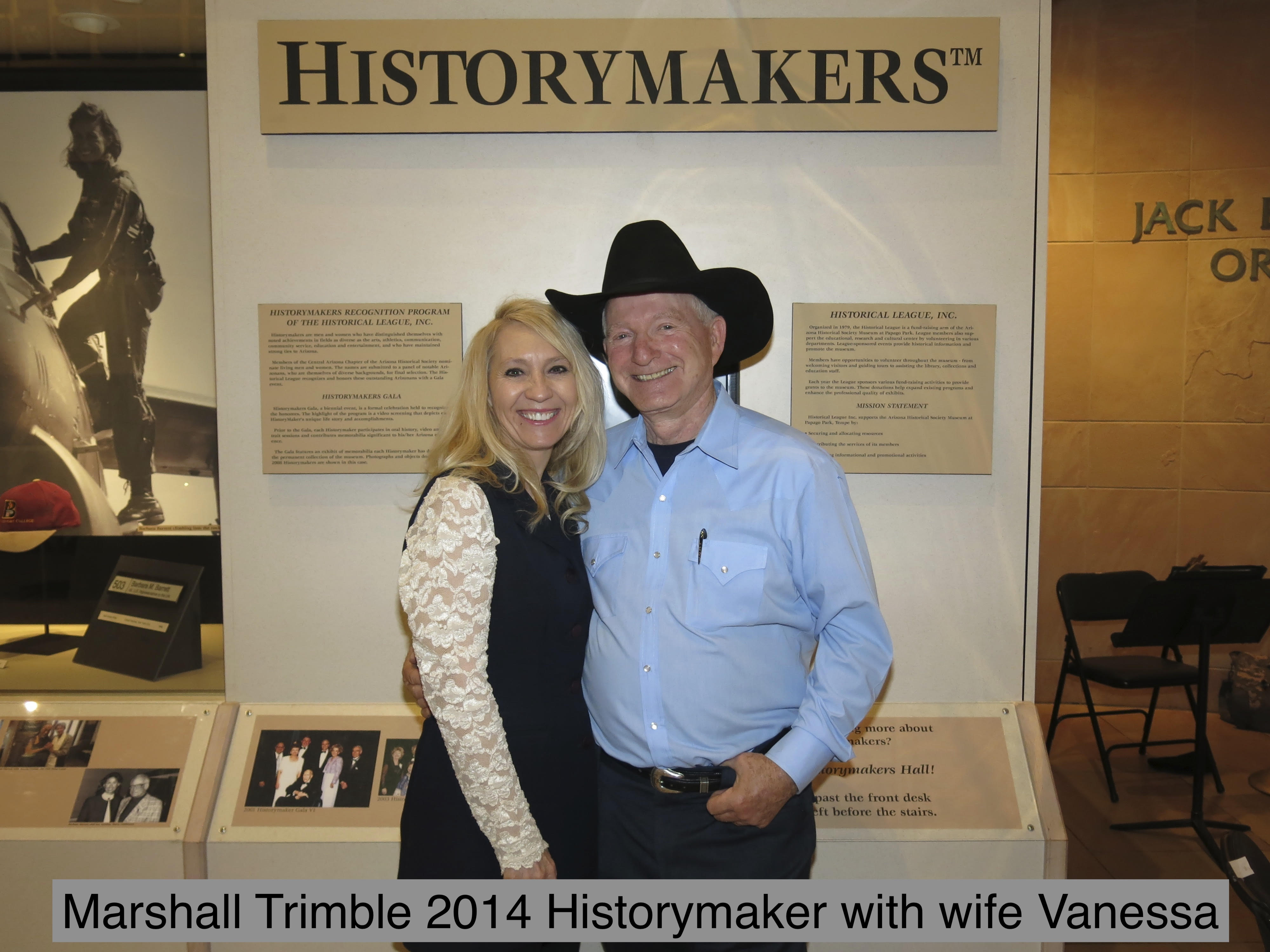
AZF: After decades as a historian, educator and performer, what moments stand out to you as the most rewarding or surprising in your career?
MT: I still love the look on students’ and audience faces when they give you that “I didn’t know that!” look.
AZF: Looking ahead, what do you hope future generations will remember most about Arizona’s story and your role in helping tell it?
MT: History is a record of our past. From it, we have a record of successes and failures. We can learn much from both. Arizona is no longer isolated from the rest of the country, nor the world. Those days are in the past and are gone forever. However, Arizona is unique because 90 percent of the people live on just two percent of the land. There is a lot of land out there in the nation’s sixth-largest state that belongs to everybody and nobody. It’s ours to love, cherish and protect. It’s our duty and responsibility to those yet to be born. We are only the caretakers.
This interview has been edited for length and clarity. The profile first appeared in AZF’s In Arizona issue.
Photos courtesy of the Arizona Historical Society.


