



As the holiday season continues, many Arizonans find their mood shifting with the shorter days. What starts as a familiar sluggishness or a simple lack of motivation can sometimes point to something more serious.
Seasonal Affective Disorder (SAD) is a recurring form of depression that emerges in the fall and winter, bringing fatigue, low energy, and emotional withdrawal. American TMS Clinics offers hope through brain-based therapy designed to reset the mind’s natural rhythm.
“Seasonal depression isn’t about bad weather so much as it is about disrupted brain rhythms,” Dr. Houshang Aminian, MD, said. “We can see when a patient’s brainwaves have shifted into unhealthy patterns and help restore balance before those patterns become hardwired. That’s the beauty of TMS; it gives us a way to correct the signal rather than mask the symptoms.”
Transcranial magnetic stimulation, uses magnetic pulses to stimulate underactive regions of the brain responsible for mood regulation. It’s gaining attention for its potential to help people whose depression follows a seasonal pattern. One study published in Psychiatry Research found that among patients with seasonally patterned depression, about 55 percent responded to treatment and roughly 32 percent achieved remission.

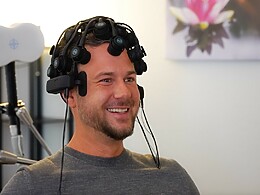
At American TMS Clinics, every treatment plan begins with a detailed 20-channel EEG that maps the brain’s activity and highlights areas that need support. Over the course of six to nine weeks, patients return for sessions that gently encourage the brain to reestablish a healthier rhythm.
SAD brings exhaustion, oversleeping, carb cravings, irritability, and a sense of moving through life in slow motion. Even in sun-soaked Arizona, winter can feel isolating when energy evaporates, and joy seems unreachable. TMS can interrupt this cycle by stimulating brain regions that regulate mood and sleep, helping restore balance to the body’s internal clock. Many patients find that the benefits last long after the winter months have passed.
Dr. Aminian notes that shedding light on the biological roots of SAD is often an essential part of treatment. “We see patients who feel ashamed or guilty for feeling depressed when it’s sunny outside,” he said. “But it’s not about the weather. It’s about how their brain is functioning. Once they understand that, hope returns.”
For those who notice the same seasonal shift each year, paying attention to timing and patterns is key. If low mood, fatigue, or irritability linger for more than two weeks, and don’t improve with sunlight or activity, it may be time to take a closer look. For more information, visit americantmsclinics.com.