


By Scott Jarson. Photos courtesy Scott Jarson/azarchitecture.com
For many of us, there is one building that stays with us, evoking a memory, a special person or a particular time in life. For me, one special place is the Triad Apartments, better known as Case Study Apartments No. 1, designed by Alfred Newman Beadle.
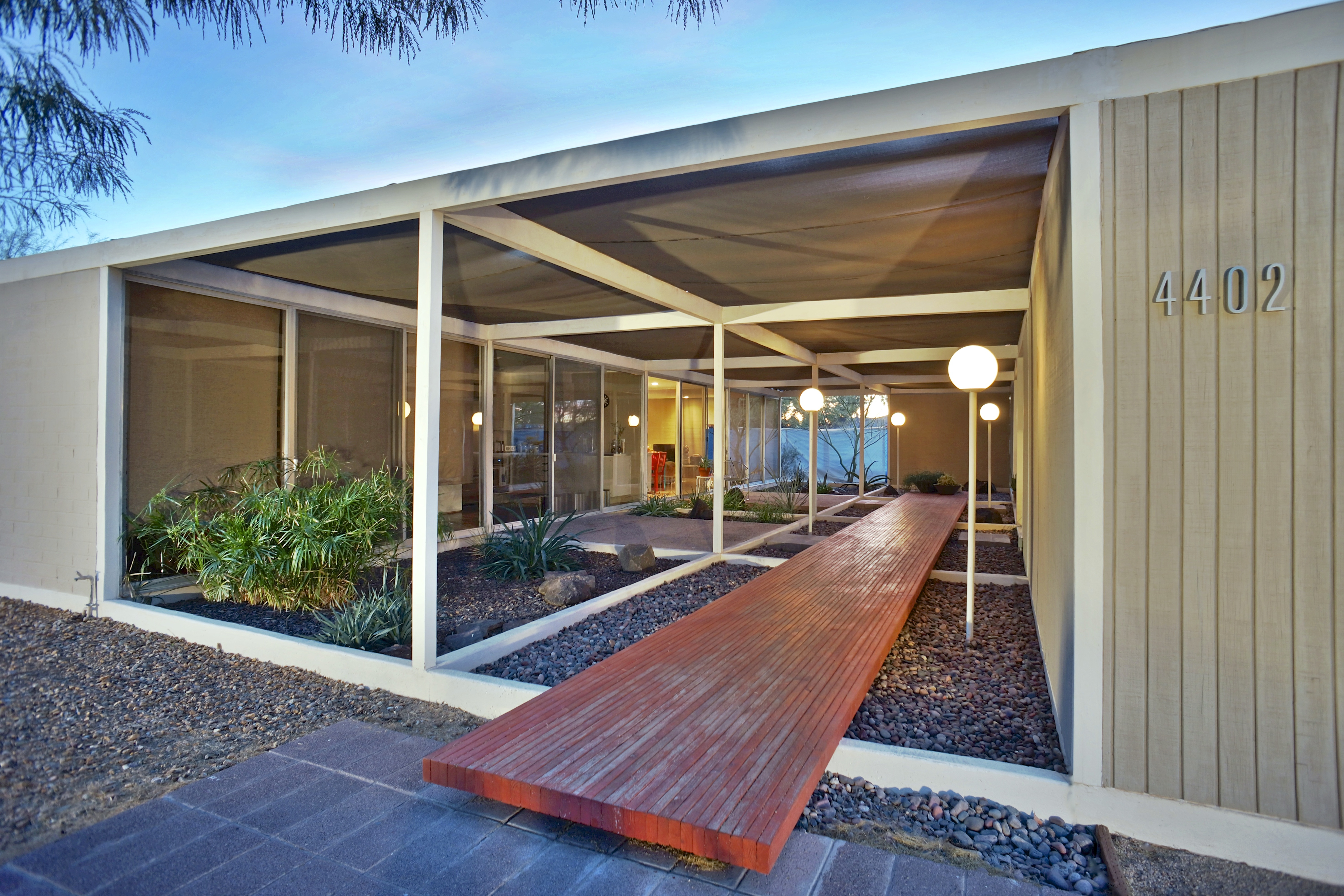
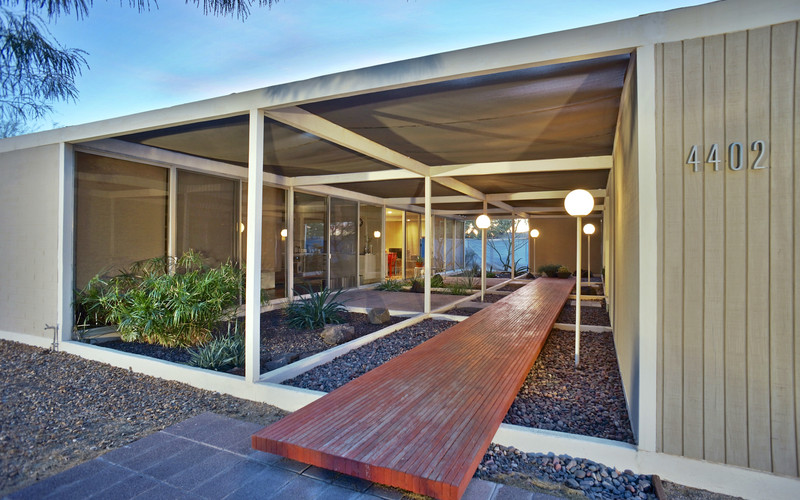
Located on 36th Street near Campbell Avenue, the Triad could easily be overlooked. Yet this modest three-unit complex represents one of the most significant works of postwar modern architecture in Arizona.
Modern architecture is part of our desert DNA today, but in the years following World War II it was still an experiment. It wasn’t until the mid-1950s that modernism truly began to take hold here. So how did Phoenix become home to the only official Case Study project ever built outside California?
To understand why the Triad matters, you have to understand the Arts & Architecture Case Study Program. Running from 1945 to 1966 under editor John Entenza, it became the most influential residential design initiative of the postwar era, challenging architects to create practical, affordable and beautiful homes using modern materials and ideas. When the program expanded to include multifamily housing, Phoenix unexpectedly became part of that story.
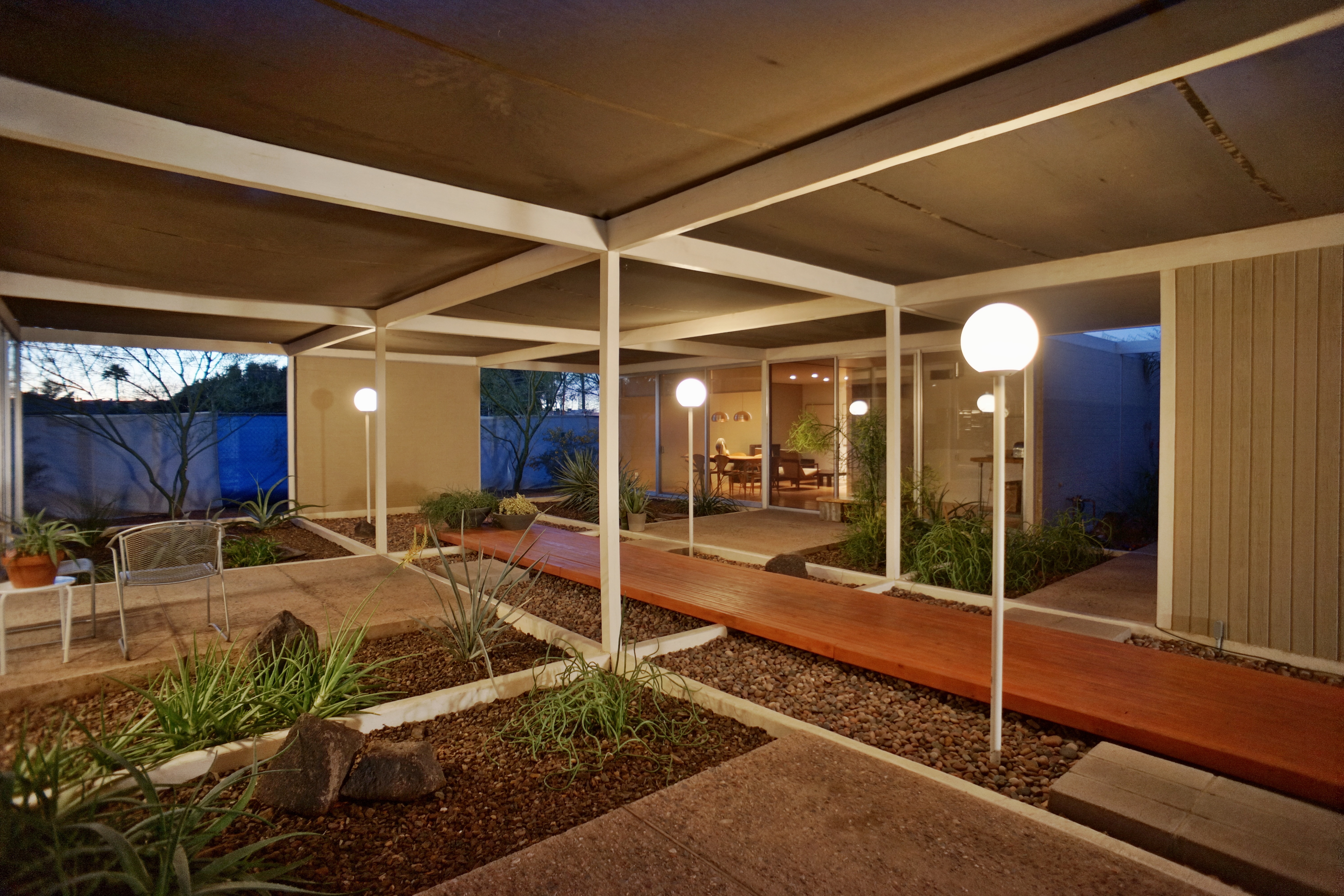
Arizona’s answer came from Alfred Newman Beadle, the architect who almost single-handedly introduced a disciplined interpretation of International Style architecture to the desert. His proposal, a deceptively simple triplex called the Triad, was originally intended for Redlands, California. When that development fell through, Entenza instead selected Beadle’s Phoenix project for publication as Case Study Apartments No. 1. By a fortunate twist of fate, Arizona became home to the first and only official Case Study project ever built outside California.
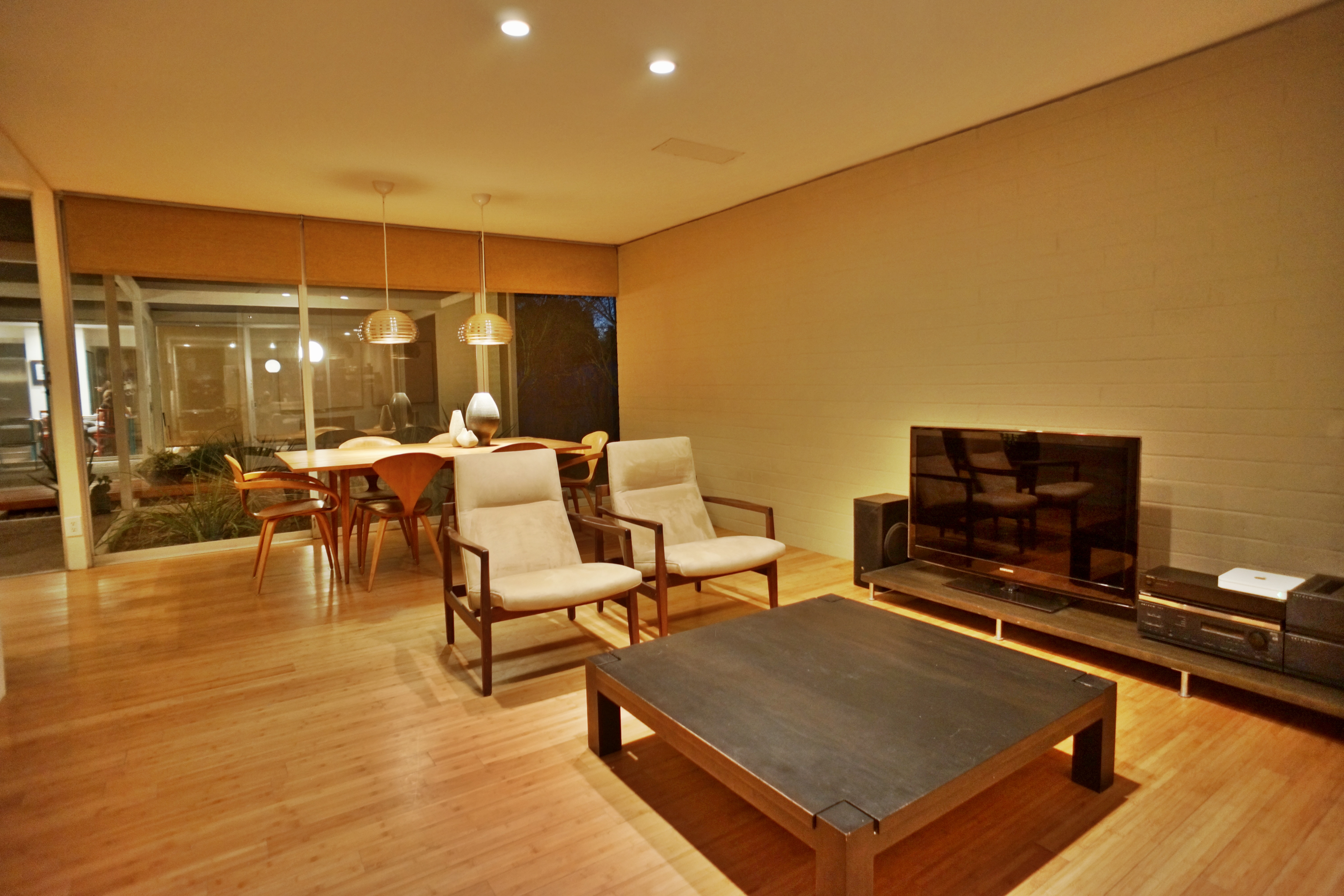
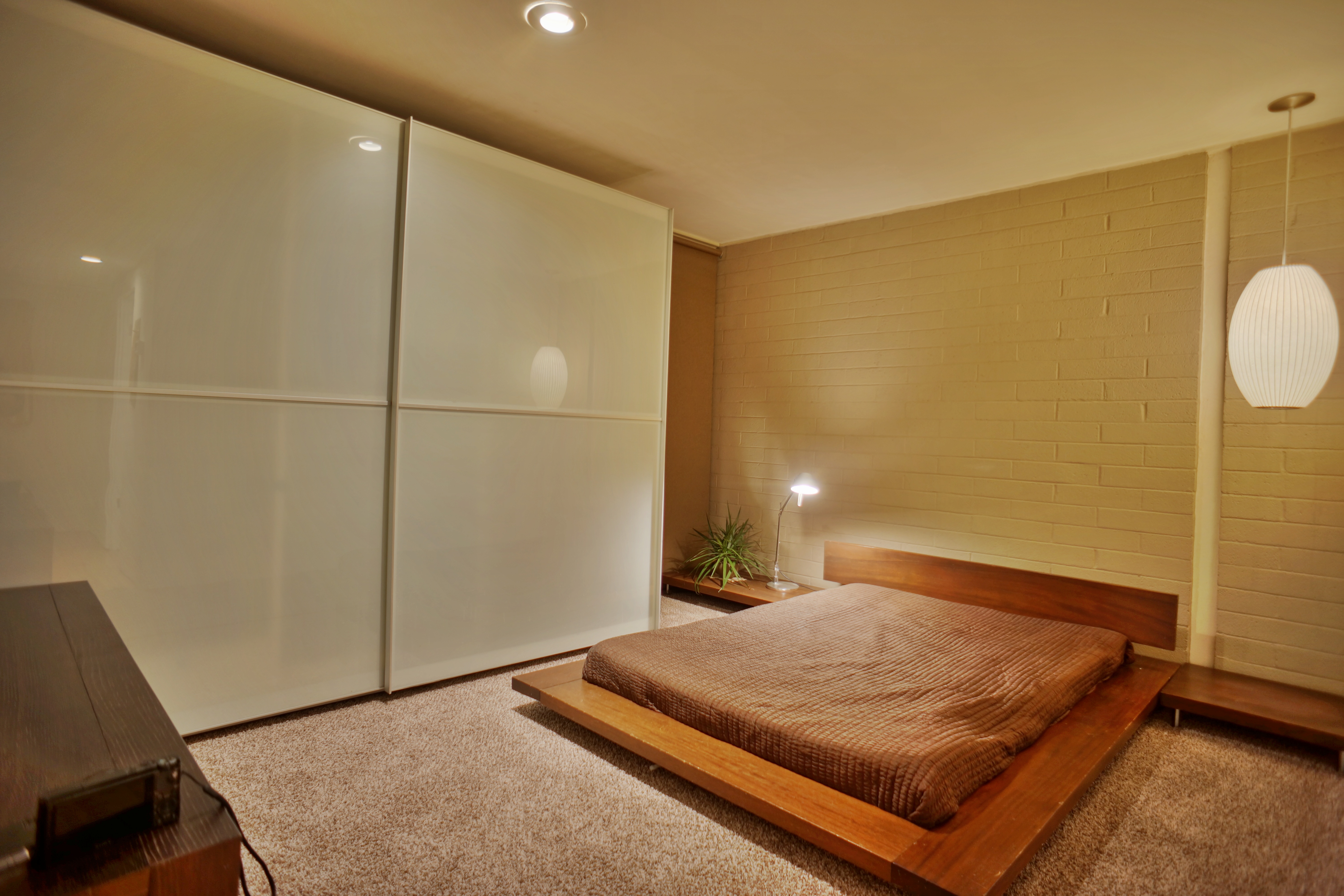
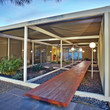
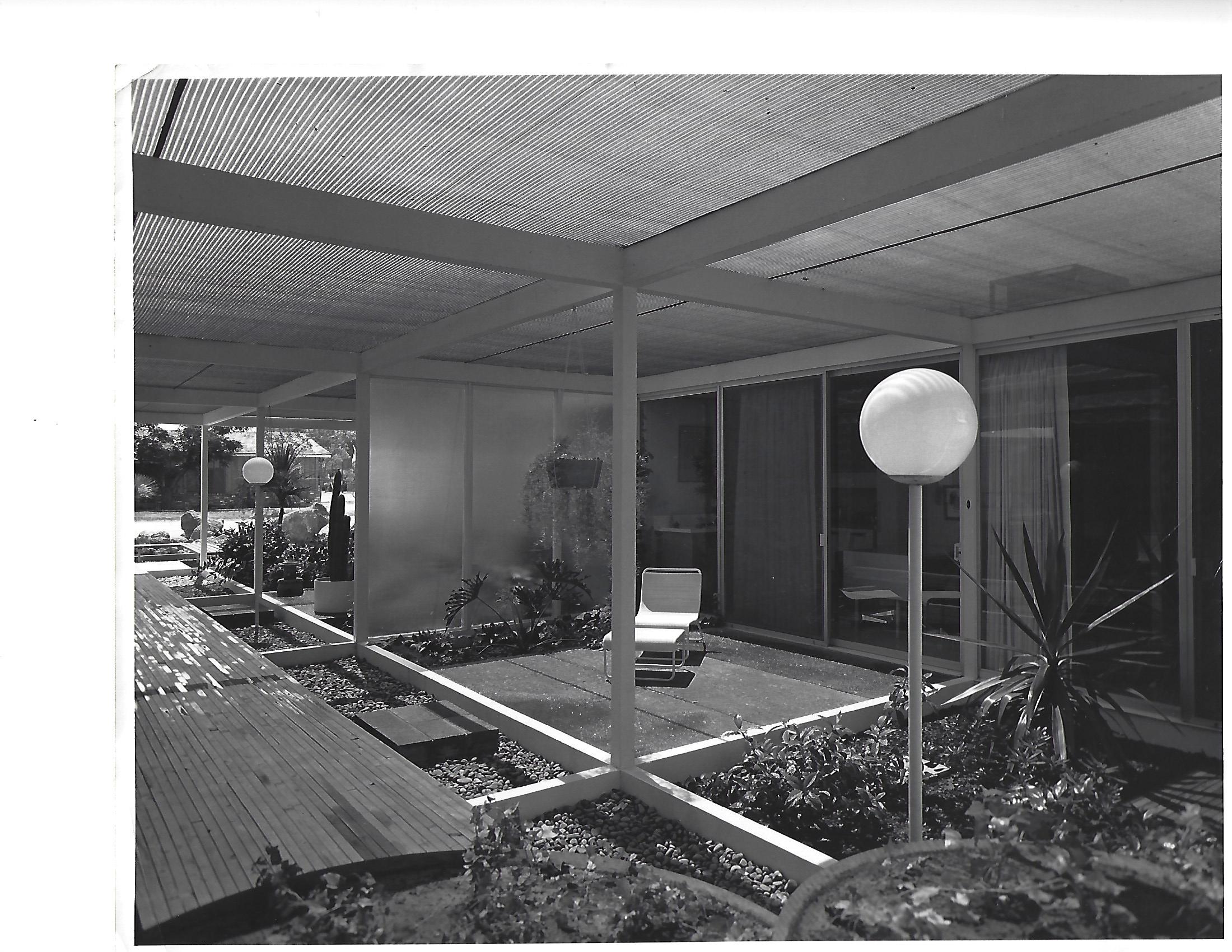
Built in 1962, the design was unmistakably Beadle: a modular structural grid, deep roof overhangs, floor-to-ceiling glass and a sheltered courtyard organized around a floating wood boardwalk. At a time when ranch houses dominated the Valley, Beadle proved that modern architecture could thrive in the Sonoran Desert. The shaded courtyard created its own comfortable microclimate while connecting three compact, 840-square-foot homes into one seamless indoor-outdoor experience. It was the very definition of gestalt, where the whole became greater than the sum of its parts.
From the beginning, the Triad attracted architects, designers and creative thinkers who would shape Arizona’s design culture. Edward “Ned” Sawyer, FAIA, one of Beadle’s closest associates and a former resident, perhaps described it best:
“The environment was perfect for the Arizona climate. The shaded central courtyard created protection from the harsh summer sun and allowed for comfortable outdoor living. Living in the Triad was living in art, and that was the idea behind the Case Study Program.”
Beadle’s daughter, Gerri, remembers something simpler:
“When I was about four, my mother’s parents lived in the Triad, and my younger brother and I spent countless hours there with Grandma and Grandpa. It was a shady, cool place to play. The Triad was the first place I remember having a wooden boardwalk. We used to run and jump from the boardwalk to the concrete patios without touching the stones. The wood made a different sound than the concrete when we ran across it.”
Sometimes the greatest measure of architecture isn’t how it photographs, but the memories it creates.
Like many midcentury modern landmarks, the Triad eventually slipped into a period of benign neglect before a local artist recognized its significance and carefully restored the property in 2012. Two years later, new ownership continued that commitment, ensuring that Beadle’s original vision remained intact. Today, the Triad remains one of the few places where you can still rent and experience authentic midcentury modern living.
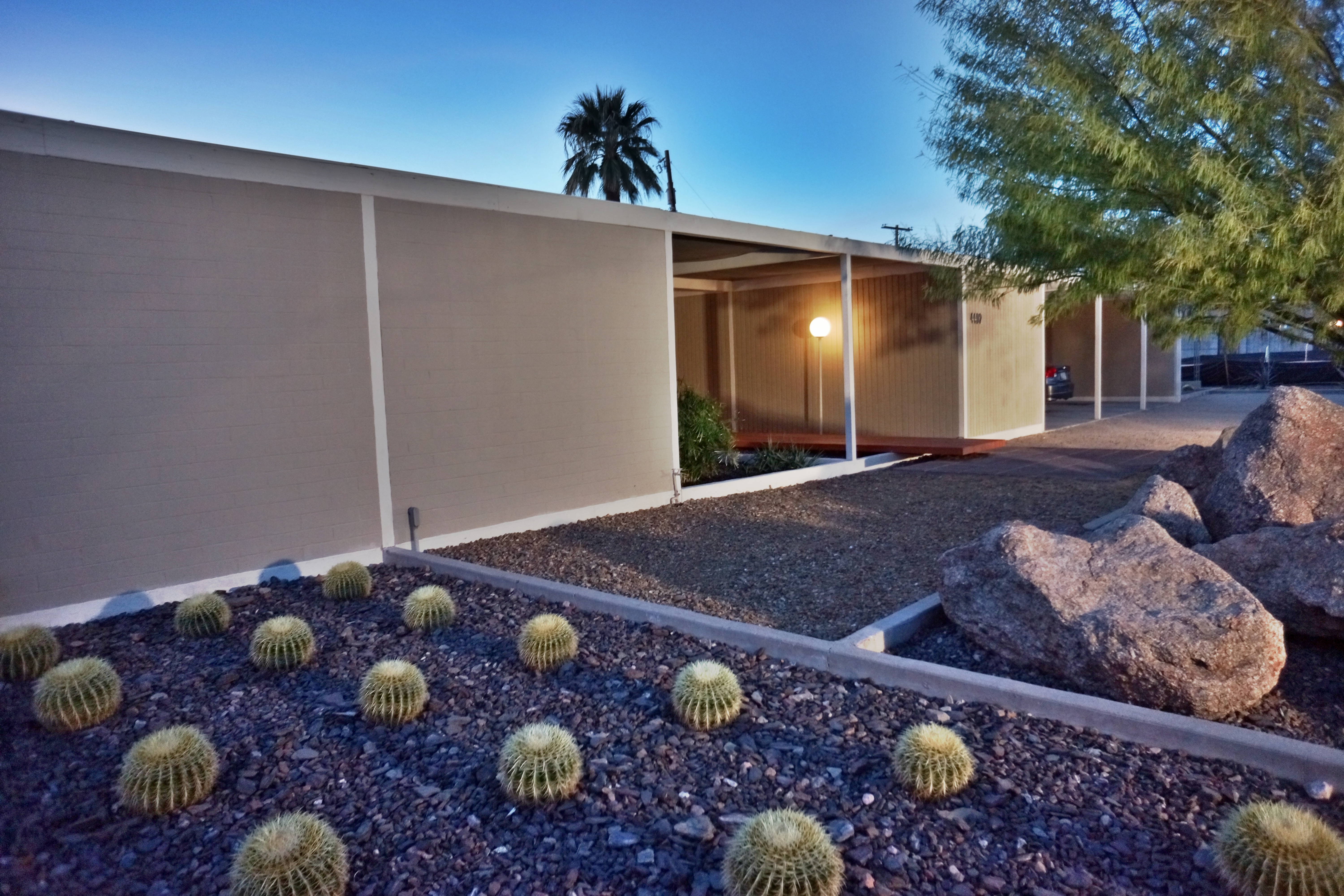
The principles Beadle explored here became the foundation for what we now recognize as the “Beadle Box.” Its exposed structure, open floor plan, shaded courtyard and disciplined simplicity carried forward into many of his best-known works, including the Boardwalk and Three Fountains.
For me, the Triad represents far more than an important building. It is a direct link between the Case Study Program, Beadle’s enduring legacy, and Arizona’s own architectural heritage. More than 60 years later, it still does exactly what great architecture should do. It provides shelter, fosters community, and quietly reminds us that the best ideas never go out of style.
Scott Jarson is a Realtor®, writer and co-founder of azarchitecture/Jarson & Jarson Real Estate. Since 1987, he has specialized in marketing architecturally significant homes and is widely recognized for his expertise in Arizona architecture, design and preservation.