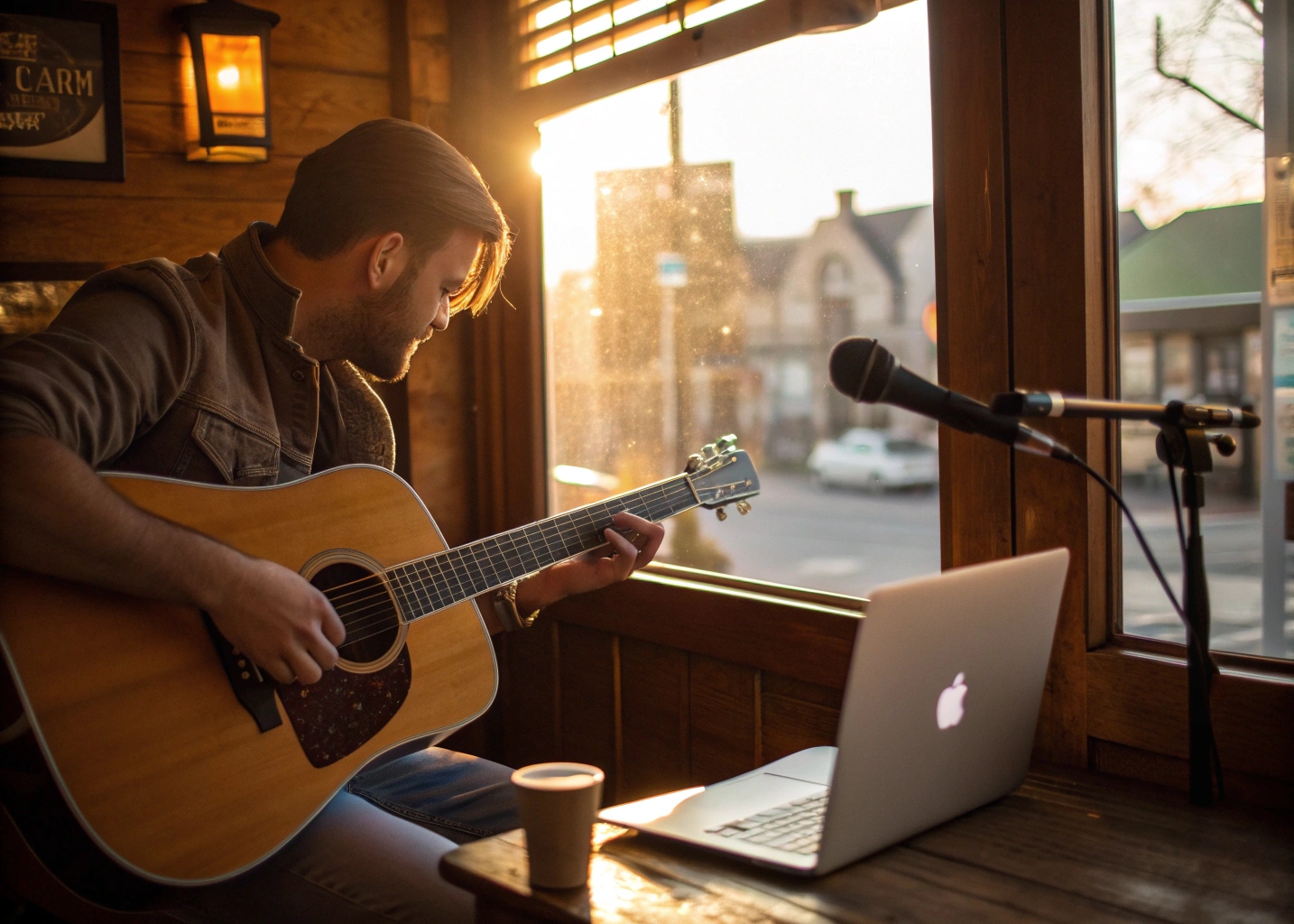
There’s something about an acoustic guitar that pulls people in before a single lyric is sung. It’s raw, immediate, and human in a way no pedalboard or software plug-in can replicate. In a world crowded with digital effects and synthetic sounds, this six-stringed classic still holds its ground as the emotional backbone of modern music. Whether you’re strumming in a small-town coffee shop or recording in a high-end studio, the acoustic guitar doesn’t just make music, it makes memories.
The Unmatched Allure of Simplicity
The beauty of an acoustic guitar is its honesty. There’s nowhere to hide behind distortion or production layers. It’s you, your hands, and a piece of wood resonating through air. That simplicity is what keeps people hooked generation after generation. Artists from Bob Dylan to Taylor Swift have built entire careers around it because it connects instantly. When it comes to the best acoustic guitars for beginners, simplicity also means accessibility. A decent starter model can sound great without an amp or effects, and it’s one of the few instruments that can fill a room without electricity.
Part of its enduring power comes from how democratic it is. You don’t need a massive budget or a recording contract to start. A used guitar from a pawn shop can teach you the same lessons about rhythm, phrasing, and patience that a $3,000 instrument can. For all the talk about AI-generated music and the future of sound, the acoustic guitar still reminds us that art starts with human touch.
The Sound That Never Goes Out of Style
Trends come and go, but the acoustic sound doesn’t age. It’s versatile enough to move from folk to indie rock to pop ballads without missing a beat. What sets it apart is tone. Every guitar has its own fingerprint, bright and crisp for some, dark and mellow for others. Even humidity and the type of strings can slightly alter its voice, giving each instrument personality.
That imperfection is part of the magic. The buzz of a slightly worn fret or the uneven warmth of aged wood isn’t a flaw—it’s character. When you play acoustic, you’re part of a tradition that values real sound over perfect sound. That’s something digital instruments can’t quite duplicate, no matter how advanced they get.
Why Some Players Don’t Need Guitar Amps
The electric crowd will always sing the praises of amps, pedals, and wattage. But plenty of players find their voice unplugged. Those who don’t need guitar amps often say it’s liberating. Without one, you’re relying entirely on your own dynamics, how softly or forcefully you play, how you angle your fingers, how long you let a note linger. That level of control builds skill faster than any effects pedal could.
It also changes the listening experience. Acoustic performances are intimate, almost conversational. Whether you’re busking on a street corner or playing for friends around a fire, the lack of amplification draws people in instead of pushing sound at them. You can’t fake that closeness. The music feels less like a show and more like a shared moment.
The Emotional Pull That Technology Can’t Replace
We live in an era when music is increasingly processed, filtered, and auto-tuned into perfection. Yet, that human imperfection is what people crave most. There’s an unspoken connection that happens when someone plays an acoustic guitar—you hear every inhale, every shift of the hand, every bit of vulnerability in the performance.
This isn’t nostalgia talking. Neuroscientists have actually studied the emotional resonance of acoustic instruments, and it’s real. The frequencies and overtones of an acoustic guitar naturally align with human vocal ranges, which explains why it feels so personal. It’s not about being better or worse than electric guitars—it’s about honesty. When you strip music back to its roots, you’re left with truth, and few instruments deliver it like this one.
Learning to Play Is Still a Rite of Passage
There’s a reason parents still buy their kids guitars before anything else. It’s an initiation of sorts. It teaches patience, rhythm, coordination, and the fine art of persistence. Learning on acoustic makes you stronger as a player because there’s no shortcut. You have to build finger strength and precision the old-fashioned way, which pays off later whether you stick to acoustic or branch out.
Many people start with the acoustic and never look back. The portability helps—it’s a companion more than a hobby. You can take it camping, to the beach, or to an empty room after a hard day. The physicality of strumming and feeling the vibrations in your chest does something no phone app or synth track can replicate. It’s grounding, and in a world where people constantly chase distraction, that grounding is rare.
Where the Acoustic Guitar Fits in Modern Music
Despite what some say, acoustic guitars aren’t relics of the past—they’re everywhere once you start listening. From stripped-down pop hits to unplugged hip-hop performances, artists are rediscovering that warmth and vulnerability sell. There’s a reason acoustic versions of songs often go viral faster than the originals: they sound real.
Producers are also leaning back toward organic textures. Even in heavily produced tracks, you’ll hear subtle acoustic layers adding depth and emotional weight. It’s the secret ingredient that makes modern music feel alive instead of sterile. Acoustic guitars are evolving too—hybrids with built-in pickups and soundhole mics let players move between analog and digital effortlessly. Tradition meets innovation without losing soul.
In a culture obsessed with what’s next, the acoustic guitar stands its ground as a reminder that timeless things don’t need upgrades. It’s not flashy, but it’s enduring. You don’t have to be a virtuoso or a poet to make it sound beautiful—you just have to mean it. That’s the kind of authenticity that never goes out of style, and why the acoustic guitar will always have a home in the hands of anyone chasing real connection through music.
